Kawagiri Tea Guide
HojichaJapan’s Roasted Green Tea — Roasty, Smoky, Naturally Low in Caffeine
Hojicha is one of Japan’s most beloved teas — and one of the least understood outside of Japan. Here’s everything you need to know, plus our curated collection of 7 hojichas from Shizuoka.
What is Hojicha?
Hojicha (ほうじ茶, also written as hōjicha) is a Japanese green tea that has been roasted after steaming. While most Japanese green teas are prized for their fresh, vegetal character, hojicha takes a different path — the roasting process transforms the leaves into something warm, nutty, and deeply comforting.
The word “hojicha” comes from hōjiru (焙じる), meaning “to roast.” Despite its reddish-brown color and toasty flavor, hojicha is technically a green tea — the leaves are steamed first (like all Japanese tea), then roasted at high temperatures to develop their characteristic aroma.
Why does hojicha taste so different from other green teas? The roasting process breaks down catechins (the compounds responsible for bitterness and astringency in green tea). The result is a smooth, naturally sweet cup with very little bitterness — even if you overbrew it. This makes hojicha one of the most forgiving and approachable Japanese teas for beginners.
Caffeine
Very Low
Brew Temperature
90°C / 195°F
Steep Time
30 sec – 1 min
Hojicha originated in Kyoto in the 1920s when a tea merchant began roasting unsold tea leaves to extend their shelf life. The resulting tea was so delicious that it quickly became popular throughout Japan. Today, hojicha is enjoyed across the country — after meals, in the evening (its low caffeine makes it ideal), or as a comforting daily drink.
Types of Hojicha: Leaf, Stem, and Aged
Not all hojicha is the same. The flavor, aroma, and character vary dramatically depending on which part of the tea plant is used and how it’s roasted. At Kawagiri, we carry a wider range of hojicha than almost any other shop in Canada — because we believe this diversity is what makes hojicha truly fascinating.
Leaf Hojicha (葉ほうじ茶)
The most common type. Made by roasting whole tea leaves, leaf hojicha delivers the classic roasted flavor most people associate with hojicha — rich, comforting, and full-bodied. The roasting method matters: charcoal roasting gives a deeper, more complex aroma than machine roasting.

Leaf Hojicha · Charcoal Roasted
Charcoal-fired Hojicha
炭火炒りほうじ茶 — 100g
The classic. Crafted by a tea master using an ideal blend of leaves, roasted over traditional charcoal. A beautifully balanced cup — rich, comforting aroma with a smooth, approachable flavor. The perfect starting point for hojicha newcomers.
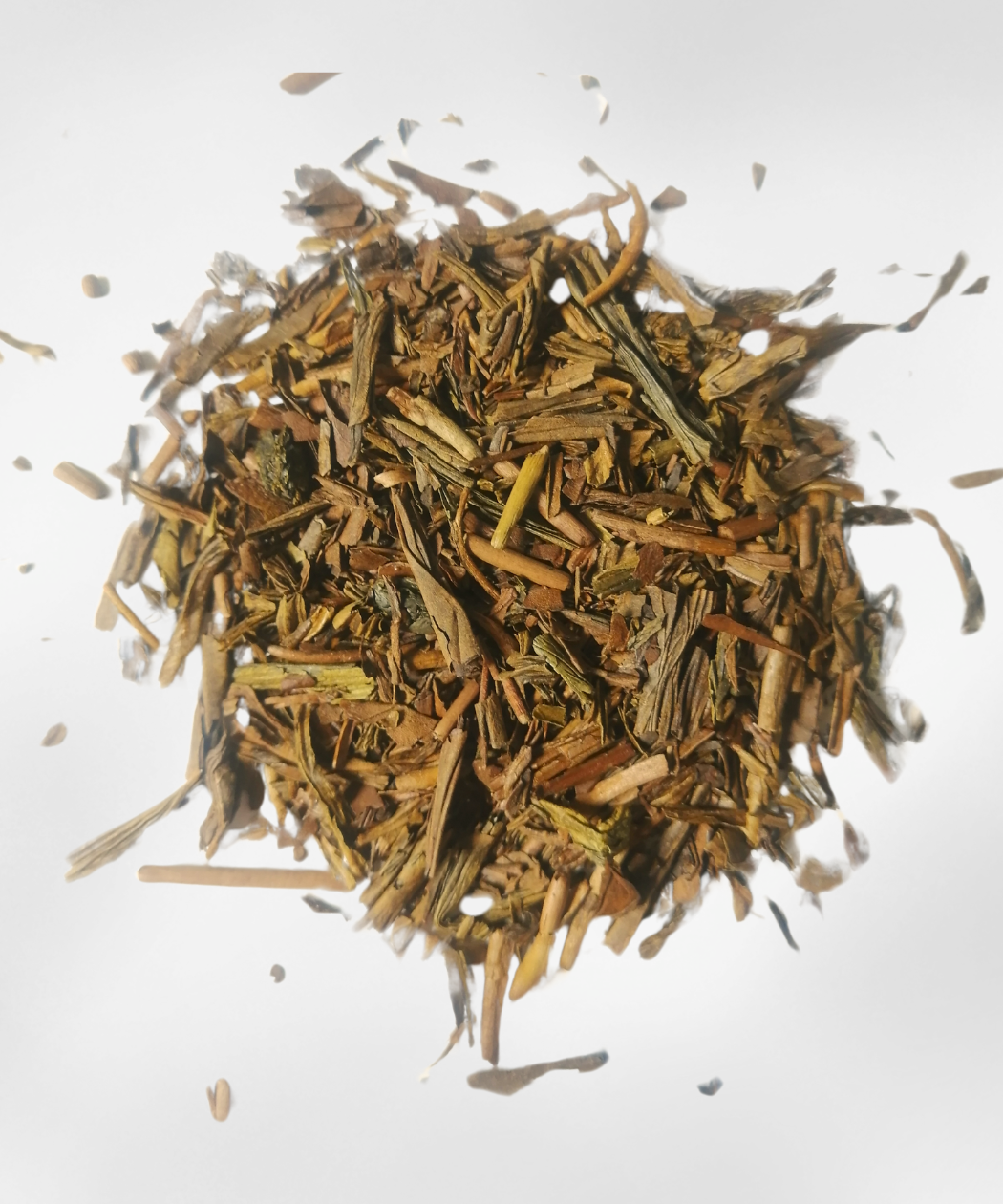
Leaf Hojicha · Sand Roasted · Single Farm
Hojicha Zairai (Native Cultivar)
ほうじ茶 在来 — 80g
Our signature hojicha — the one we always pour at tasting events. Made from Zairai, native tea bushes that have grown for decades, adapting to their land. Sand-roasted, with an earthy depth and lingering sweetness that makes people stop and say “this is the best hojicha I’ve ever had.”
Stem Hojicha — Bo Hojicha (棒ほうじ茶)
Bo hojicha (棒ほうじ茶, literally “stick hojicha”) is made from the stems of the tea plant rather than the leaves. Stems contain more natural sugars and amino acids, giving bo hojicha a distinctly sweeter, more floral character compared to leaf hojicha. It’s lighter in body but more aromatic — many tea lovers consider it the more refined option.
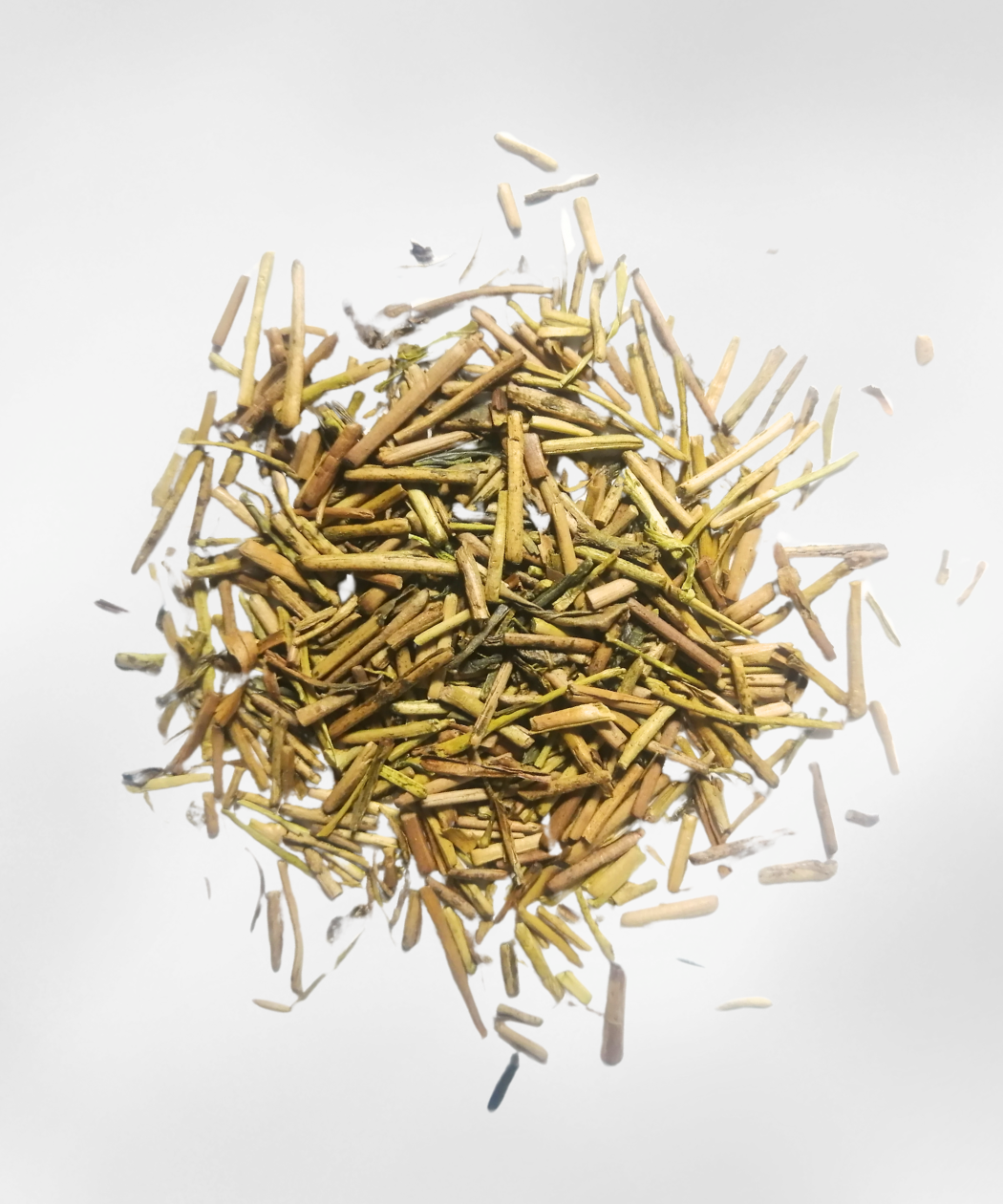
Stem Hojicha · First Harvest Stems
Bo Hojicha
棒ほうじ茶 — 75g
From the moment you open the bag, the fruity-floral fragrance is captivating. Made from kenbo (剣棒茶) — sword stems, the finest parts from the first harvest. Only 500g can be extracted from 100kg of crude tea. Deep sweetness, graceful aroma. Feels like royalty.
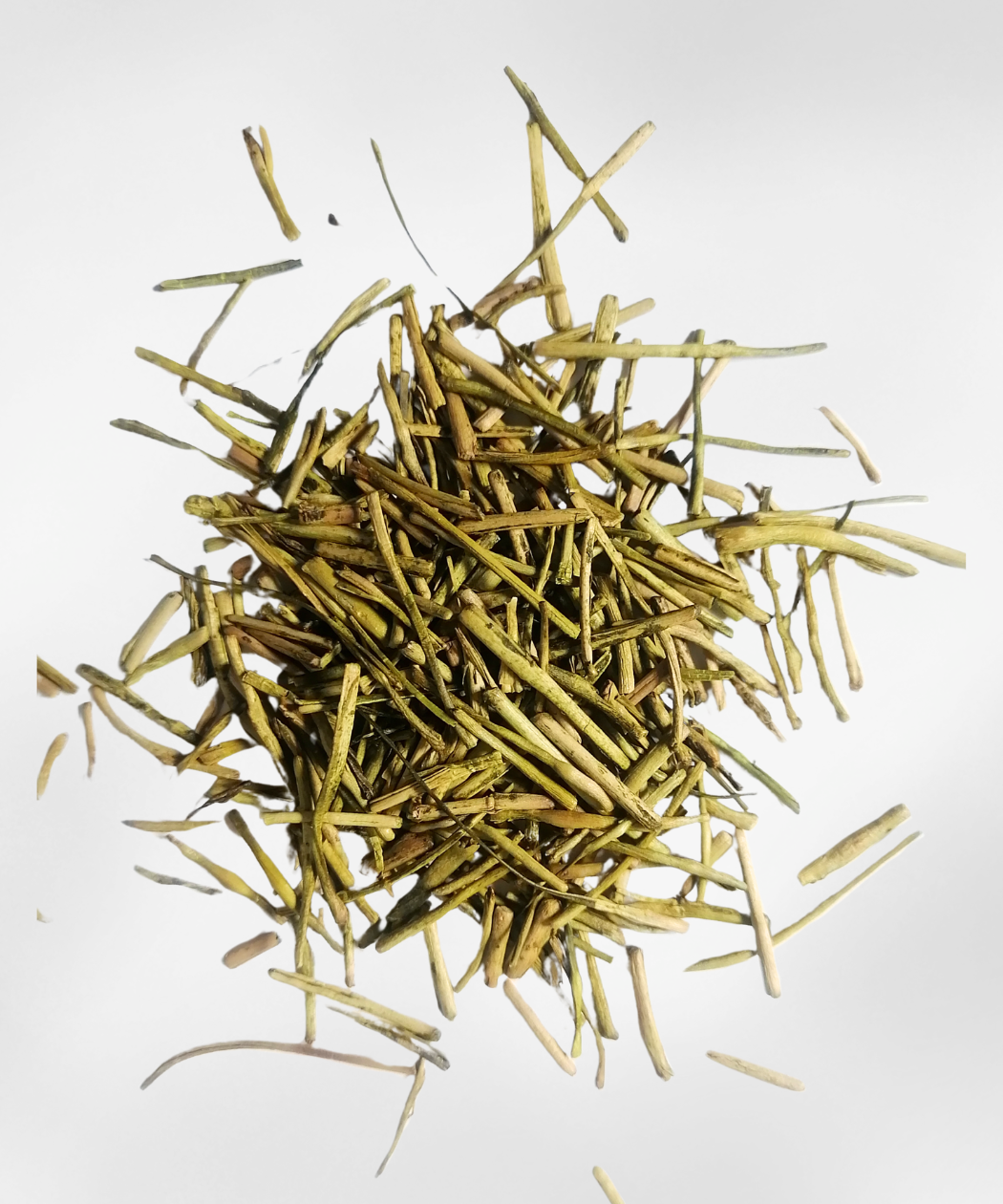
Stem Hojicha · Hand Roasted · Made to Order
Hand Roasted Bo Hojicha
手炒り棒ほうじ茶 — 50g
Artisanal hojicha, roasted by hand using a traditional hōroku (clay pan). Made to order from Japan. This is bo hojicha taken to its highest expression — the manual roasting allows for precise control that machines cannot replicate.
Aged Hojicha — Sannen Bancha (三年番茶)
Sannen bancha, or three-year aged tea, is a traditional Japanese health tea. Tea stems and leaves are aged for three years before being roasted. The long aging mellows everything — the result is an incredibly smooth, grounding cup with almost zero caffeine. It’s often recommended in Japanese macrobiotic diets and is popular as a coffee alternative.

Aged Stem Tea · 3 Years · Coffee Alternative
Organic Aged Bo Hojicha (3 Years)
有機三年番茶 — 90g
Three years of patience. Stems and twigs aged naturally, then roasted to produce an exceptionally smooth, grounding cup. Nearly caffeine-free, making it ideal for evenings or for anyone reducing coffee intake. A staple in Japanese macrobiotic tradition.
Hojicha Powder — For Lattes and Baking
Hojicha powder is finely ground roasted green tea, similar in concept to matcha but with hojicha’s warm, toasty flavor. It dissolves completely in water or milk, making it perfect for hojicha lattes, smoothies, and baking. Unlike matcha, hojicha powder is naturally low in caffeine and has no bitterness.
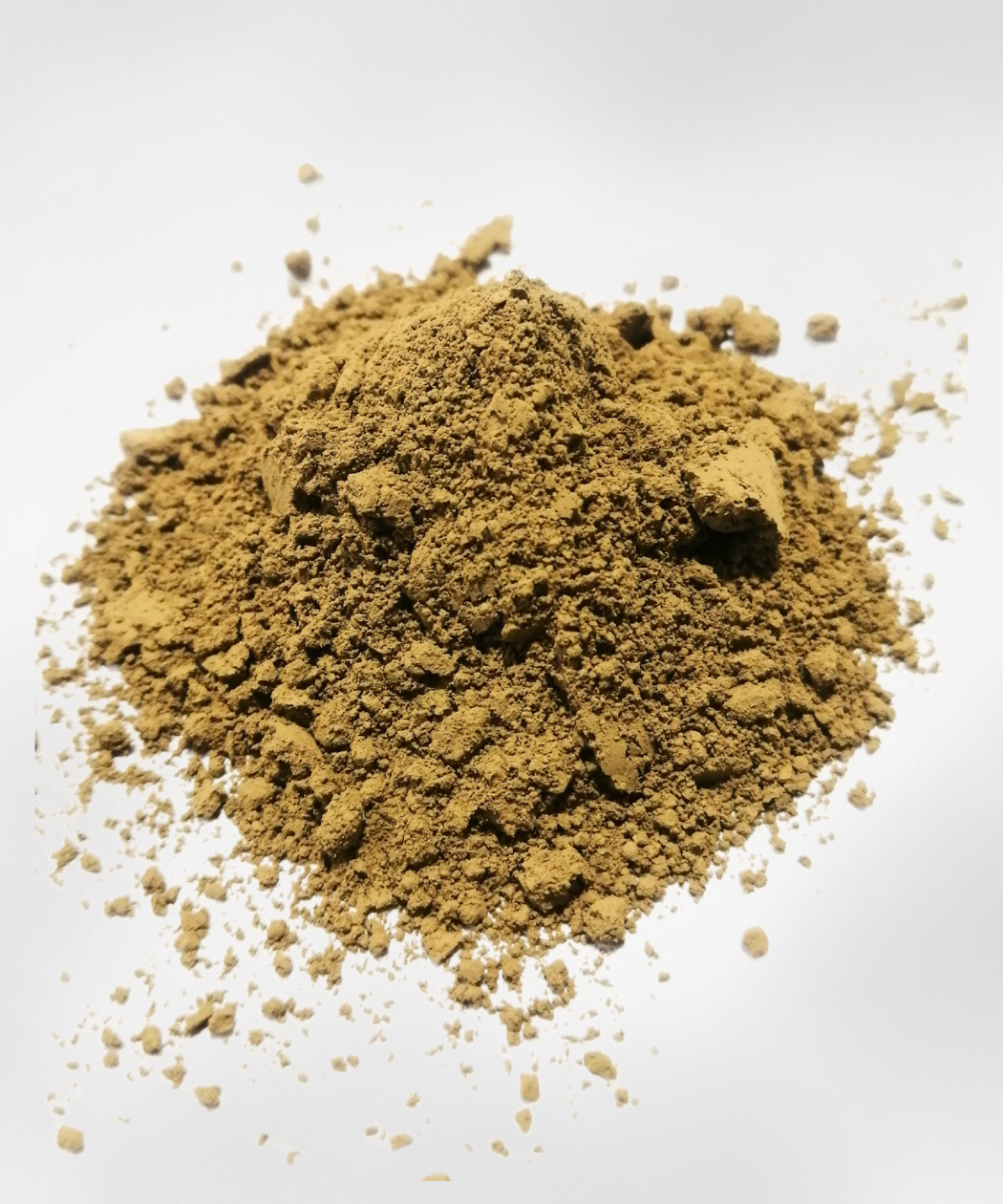
Hojicha Powder · Single Farm
Hojicha Powder — Zairai
在来 — 40g
Made from the same Zairai cultivar as our signature loose-leaf hojicha, ground into a fine powder. The terroir and character of the native cultivar come through even in latte form. For those who want a hojicha latte with real depth.
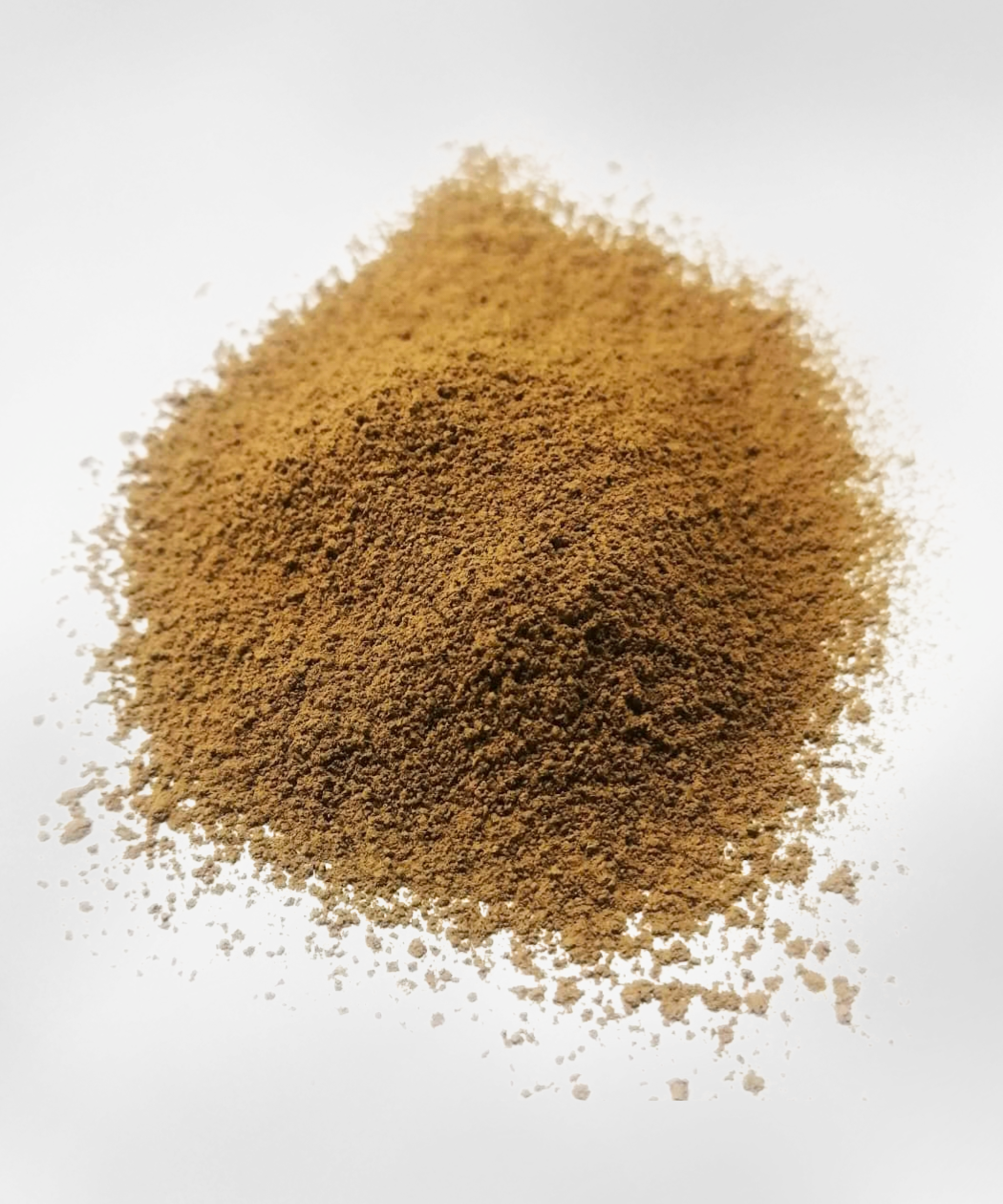
Hojicha Powder · Everyday Blend
Hojicha Powder — Shizuoka Blend
静岡ブレンド — 40g
A versatile Shizuoka blend, ideal for daily lattes and baking. Smooth, balanced, and easy to work with. The approachable entry point for anyone discovering hojicha powder.
Hojicha Chai
A Japanese twist on chai — hojicha blended with carefully selected, pesticide-free spices. Our hojicha chai is made in Umegashima, one of Shizuoka’s most remote mountain tea regions at 830m elevation, where the misty climate produces teas with remarkable depth.
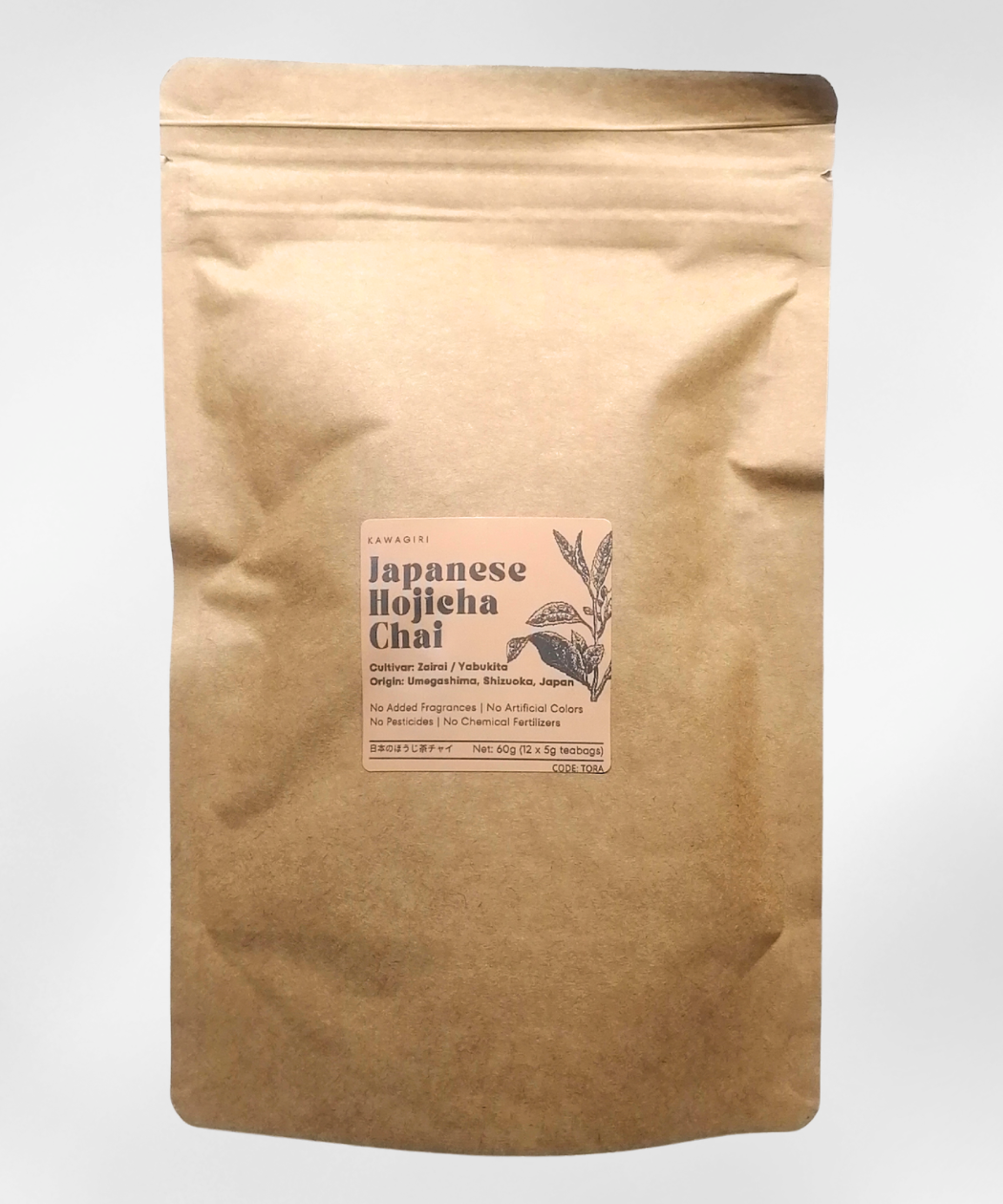
Hojicha Chai · Mountain-Grown · Tea Bags
Japanese Hojicha Chai
日本のほうじ茶チャイ — 15 tea bags
Mild and mellow chai from high-altitude fields. Blended with Zairai and Yabukita, naturally farmed with zero pesticides. The spices are also pesticide-free and chemical-free. Gentle warmth with the toasty comfort of hojicha.
Leaf vs. Stem vs. Aged — How to Choose
Not sure which hojicha is right for you? Here’s a quick comparison.
| Type | Flavor | Body | Caffeine | Best For |
|---|---|---|---|---|
| Charcoal-fired (Leaf) | Rich, roasty, comforting | Full | Low | Beginners, daily drinking |
| Zairai (Leaf) | Earthy, deep, lingering sweetness | Full | Low | Hojicha enthusiasts |
| Bo Hojicha (Stem) | Sweet, floral, fruity | Light-Medium | Very Low | Those who prefer delicate teas |
| Hand Roasted Bo (Stem) | Complex, nuanced, artisanal | Light-Medium | Very Low | Connoisseurs, gifts |
| Aged Bo (3 Years) | Smooth, grounding, mellow | Light | Almost None | Evening tea, coffee replacement |
How to Brew Hojicha
Hojicha is one of the easiest Japanese teas to brew — it’s forgiving with temperature and timing. Here’s our recommended method for all loose-leaf hojichas.
3g
Tea Leaves
per 100ml of water
90°C
Water Temperature
195°F — just off the boil
30s
First Steep
30 seconds to 1 minute
Tips for the best cup: Unlike sencha, hojicha can handle boiling water without becoming bitter — though we recommend 90°C for optimal sweetness. Resteep the same leaves 2–3 times; each steep reveals a slightly different character. For a refreshing cold brew, steep 5g in 500ml of cold water overnight in the fridge.
Hojicha powder (for lattes): Whisk 1 teaspoon of hojicha powder with 60ml of warm water until smooth, then add 180ml of steamed or cold milk. Sweeten if desired, though many find hojicha’s natural sweetness is enough on its own.
Hojicha vs. Matcha — What’s the Difference?
Both are Japanese green teas, but they couldn’t be more different in flavor, preparation, and character.
| Hojicha | Matcha | |
|---|---|---|
| Processing | Steamed, then roasted | Shade-grown, steamed, stone-milled |
| Color | Reddish-brown | Vibrant green |
| Flavor | Warm, toasty, nutty, naturally sweet | Vegetal, umami, slightly bitter |
| Caffeine | Very low (great for evenings) | High (comparable to coffee) |
| Bitterness | Very little | Moderate (varies by grade) |
| Best For | Relaxing, after meals, beginners | Morning energy, focus, ceremonies |
Many of our customers enjoy both — matcha in the morning for energy, and hojicha in the afternoon or evening for comfort. They complement each other perfectly.
Frequently Asked Questions
Is hojicha really a green tea?
Yes. Hojicha is made from the same Camellia sinensis plant and undergoes the same initial steaming process as all Japanese green teas. The difference is the additional roasting step, which changes its color and flavor — but it remains classified as green tea.
Does hojicha have caffeine?
Very little. The roasting process reduces caffeine significantly. Hojicha typically contains about 7–10mg of caffeine per cup, compared to 30–50mg for sencha and 60–70mg for matcha. Aged hojicha (sannen bancha) has almost none, making it suitable for children and for drinking before bed.
What does hojicha taste like?
Warm, toasty, and naturally sweet — like roasted nuts or caramel, without any bitterness. Stem-based hojichas (bo hojicha) tend to be sweeter and more floral, while leaf-based hojichas are richer and more full-bodied. Aged hojicha is the mellowest of all.
What’s the difference between leaf hojicha and bo (stem) hojicha?
Leaf hojicha is made from roasted tea leaves — it’s richer and more full-bodied. Bo hojicha uses stems, which contain more natural sugars, resulting in a lighter, sweeter, more aromatic cup. Many people prefer bo hojicha once they’ve tried it, but both are excellent.
Can I cold brew hojicha?
Absolutely. Cold-brewed hojicha is refreshing and smooth. Use about 5g of leaves per 500ml of cold water and steep in the refrigerator for 6–8 hours. The result is a light, naturally sweet tea that’s perfect in summer.
Is hojicha good for hojicha lattes?
Yes — hojicha lattes are one of the most popular ways to enjoy hojicha outside of Japan. For lattes, hojicha powder (rather than loose leaf) is best because it dissolves completely in milk. Our Hojicha Powder — Zairai and Hojicha Powder — Shizuoka Blend are both designed for this purpose.
Where does Kawagiri’s hojicha come from?
All of our hojichas are sourced from Shizuoka, Japan’s largest tea-producing region. We work directly with small farmers and skilled tea refiners who roast the tea using traditional methods — including charcoal roasting, sand roasting, and hand roasting with a hōroku (clay pan).
What does Organic* mean on this page?
Some of our teas are JAS-certified organic, while others are grown using equivalent practices (no pesticides, no synthetic fertilizers) but without formal certification. We mark both as “Organic*” and explain each tea’s certification status on its product page. Learn more about our organic standards →
Try All 5 Hojichas in One Set
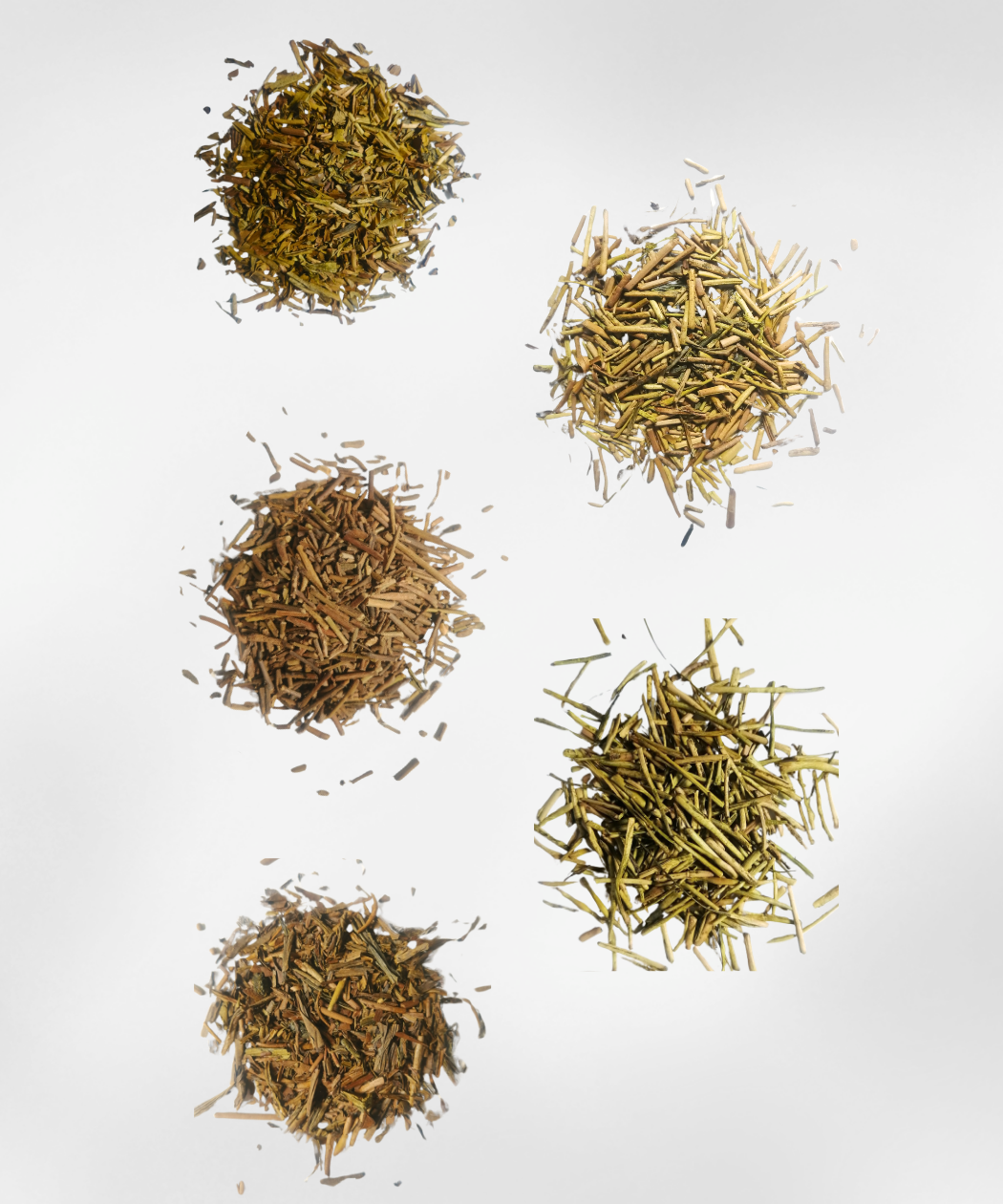
Our Hojicha Sampler Set includes all five loose-leaf hojichas — from the classic charcoal-fired to the rare hand-roasted bo hojicha. Ships free across Canada.
View Hojicha Sampler Set — $40Buy Hojicha Online — Ships Free Across Canada
Kawagiri Tea offers one of the most diverse collections of authentic Japanese hojicha available online in Canada. Every tea in our hojicha lineup is sourced from Shizuoka, Japan, and curated by a certified tea instructor. Whether you’re new to hojicha or a seasoned tea lover looking for something exceptional, we have a hojicha for you.
All orders over $85 ship free across Canada. Sampler sets always ship free. First-time customers can save 10% with code FIRST10.