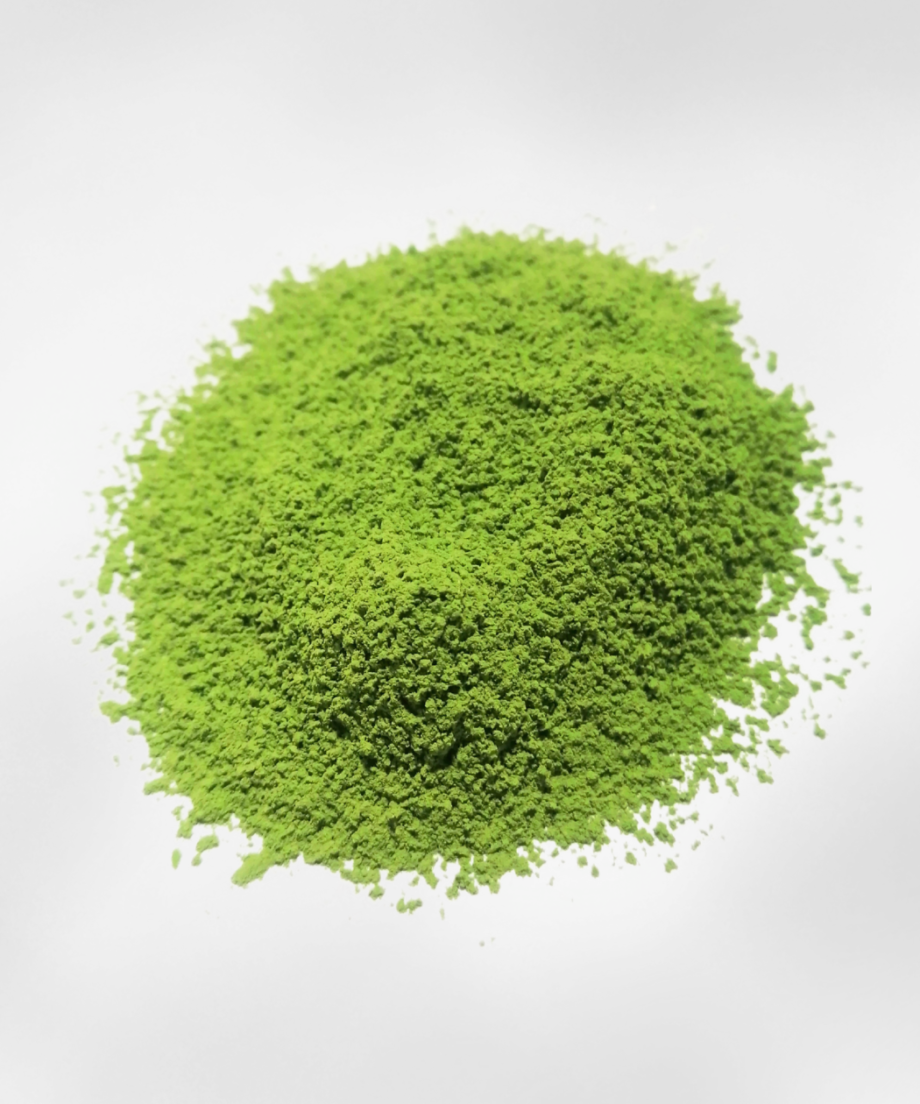
There are more matcha products on the market than ever before. New ones appear almost every week — at cafés, in grocery stores, online. Some of them are great. But honestly? A lot of them don’t taste like the matcha we know. We’ve tried a lot of matcha. And we kept running into the same problem. The affordable ones were disappointing — flat, dusty, sometimes unpleasant. The ones that actually tasted like real matcha — with depth, sweetness, that unmistakable verdant aroma — cost a lot. Often packaged in a beautiful small tin at a price that makes you hesitate to use it freely.
To be clear — there are excellent luxury matchas out there, and they’re worth what they cost. The established matcha houses have generations of expertise, and what they produce is genuinely extraordinary. That’s their craft, and we respect it deeply. But offering that kind of matcha isn’t our role. That’s not what Kawagiri is here to do.
At Kawagiri, we’ve always believed that the best tea is the tea you want to drink every day. That’s why our lineup includes hojicha, kukicha, genmaicha — teas that are casual, comforting, and easy to reach for. We care about specialty and single cultivar, absolutely. But we also care about making tea something more people can enjoy, not fewer. Those two things aren’t in conflict — they’re both part of who we are.
So when it came to matcha, the question was: can we find something that’s single origin, single farm, genuinely high quality — and still make it something you don’t have to think twice about using every day?
What “high quality” means to us
Depth. Complexity. A verdant aroma that fills the room when you open the tin. Umami and sweetness that are there on their own, without needing milk or sugar to make it work. The kind of matcha you can whisk into a bowl and drink as is — and feel like that’s enough.
What “accessible” means to us
Not a tiny luxury tin. A generous 50g that you can use freely — usucha in the morning, a latte in the afternoon, maybe another bowl in the evening (yes, we might be addicted). That’s how we drink matcha ourselves, and we wanted to share that rhythm with our customers without anyone worrying about running out too soon.
Why Okumidori
Okumidori is a cultivar that’s been gaining recognition for matcha. It’s naturally smooth and sweet — a profile that works beautifully on its own, without needing to be blended with other cultivars to balance it out. This matcha comes from a single farm, single cultivar — what we call “specialty.” You’re tasting one place, one plant, one harvest.
About the milling: why ball mill, not stone mill
You might notice that this matcha is not stone-milled. We want to be upfront about that. Stone milling has traditionally been considered the gold standard for matcha. It produces extremely fine particles and preserves flavour beautifully — but it’s also very slow, typically around 40g per hour. That speed is one of the biggest reasons stone-milled matcha tends to be expensive. We chose ball milling because our goal was never to find stone-milled matcha. Our goal was to find matcha that genuinely tastes good, without being priced out of everyday reach. When we first received this sample, the flavour was so good that the milling method became secondary to the taste itself. What we care about most is the quality of the tencha leaves — first harvest, properly shaded, from a cultivar well suited for matcha — and their freshness.
Freshness matters — maybe more than anything
Matcha is delicate. More fragile than other green teas. Once milled, the flavour begins to fade — exposure to air, light, and time all take their toll. That’s why we always aim to stock matcha that has been milled as recently as possible. This current batch was milled in December 2025.
If you take one thing away from this post: buy matcha that’s fresh, store it well, and use it freely. That’s what it’s for.
→ Shop Matcha Okumidori
We also carry Matcha Shizuoka — our pick for matcha lattes — and Matcha Yumewakaba, an organic stone-milled matcha for those looking for the next level.