
Bo Hojicha | 棒ほうじ茶
Price range: $10.00 through $23.00
Sit back, relax — lose yourself in the aroma.
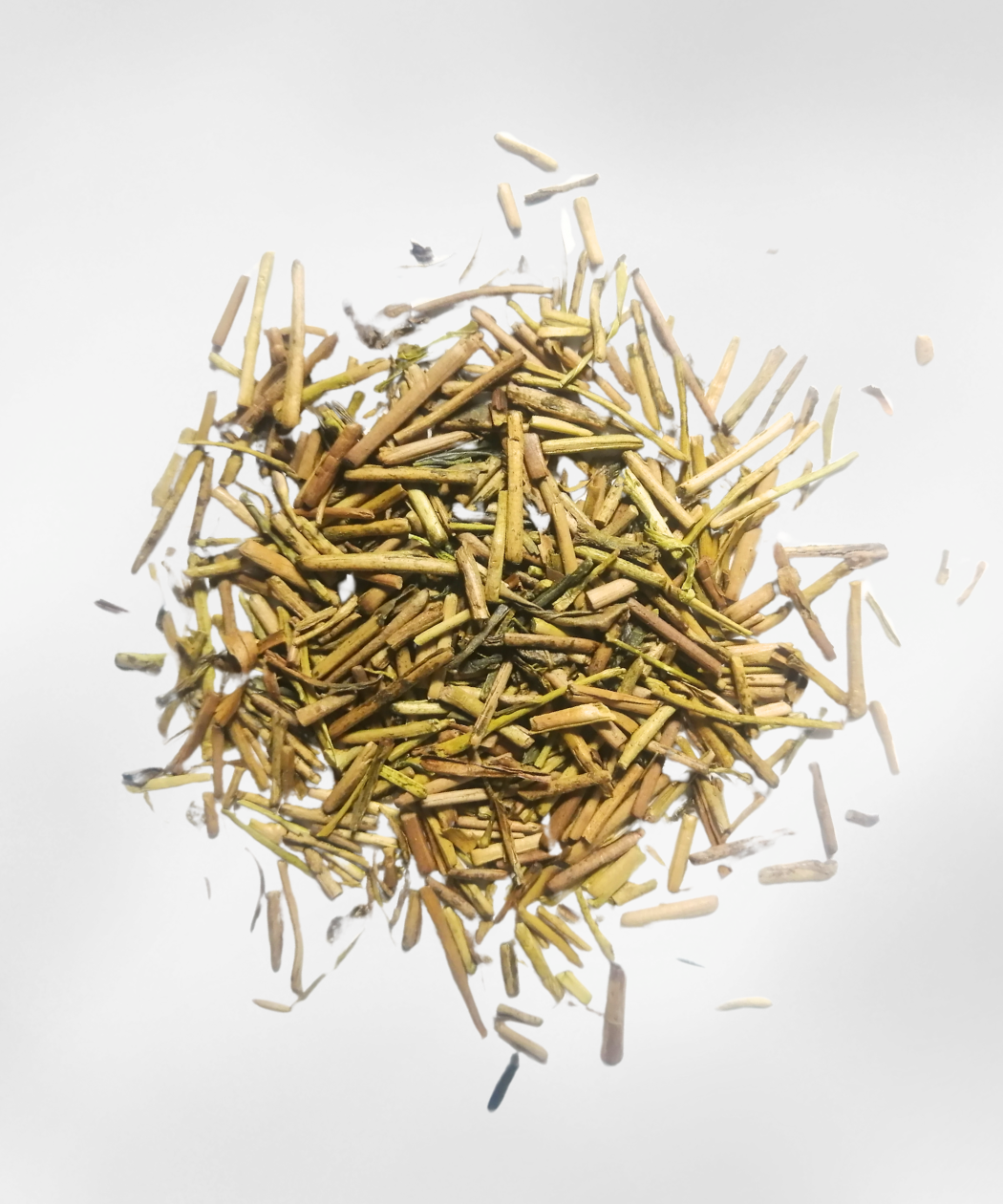
From the moment you open the bag, you’ll be captivated by its vibrant aroma. This is one of the two most aromatic teas at Kawagiri — alongside our Hand Roasted Bo Hojicha.
Hojicha is a casual, everyday tea — but this one takes it a step further, with an elegant floral fragrance that feels a level above. Bo — the stem part of the tea leaf — is already known for its natural sweetness and aromatic character. But the crafter’s meticulous selection pushes that even further. Only the finest parts from the first harvest are used — tender kenbo (剣棒茶), or sword stems. These make up just 500g per 100kg of crude tea leaves.
The cup is beautifully aromatic with an elegant sweetness. A bit richer in body than a standard hojicha like our Charcoal-fired, but still unmistakably hojicha — friendly, refreshing, never heavy — easy to enjoy with a meal or a snack.
If you love this style but want something with more body and a brothy, almost sencha-like depth, try our Hand Roasted Bo Hojicha. For something lighter with a roasty, coffee-like character, explore our Aged Bo Hojicha (3yr).
Tea Profile
Flavour: Aromatic, Elegant, Sweet, Hay-like
Type: Tea Master’s Blend / Multi-cultivar
Cultivar 1: Yabukita (Honyama, Shizuoka) やぶきた — primary base
Cultivar 2: Various cultivars from mountainous areas in Shizuoka
Harvest: First Flush, Spring 2025
Roasting: Machine-roasted
Producer: Hagiri (Tea Refiner)
The primary base is Yabukita from Honyama, a renowned mountain tea area in Shizuoka. Other cultivars from nearby mountain regions are blended to fine-tune the flavour and balance.
Brewing Instructions
Hot Brew
Tea / Water Ratio: 3g / 100ml
Temperature: 212°F (100°C) boiling
Steeping Time: 1 minute
Learn More
What Is Bo Hojicha?
Bo hojicha (棒ほうじ茶) is a type of roasted Japanese tea made from stems rather than leaves. “Bo” (棒) means “stick” or “stem” in Japanese. Tea stems contain different compounds than leaves — they’re naturally sweeter, more aromatic, and lower in caffeine. When roasted, these qualities become even more pronounced, producing a tea with an elegant, floral-sweet fragrance that’s very different from regular leaf hojicha.
Bo Hojicha vs Regular Hojicha
Regular hojicha is made from roasted tea leaves, giving it a bold, toasty character. Bo hojicha uses stems instead, which produce a lighter, sweeter cup with more floral and fruity notes. Think of regular hojicha as warm toast, and bo hojicha as toasted honey — both are comforting, but the stem version has a more refined sweetness.
This particular bo hojicha is made from kenbo (剣棒茶) — “sword stems” — the most tender part of the stem from the first harvest. Only about 500g of kenbo can be extracted from 100kg of raw tea, making it an exceptionally rare ingredient.
Caffeine in Bo Hojicha
Stems contain less caffeine than leaves to begin with, and roasting reduces caffeine further. Bo hojicha is one of the lowest-caffeine Japanese teas available — typically under 20 mg per cup. It’s an ideal evening tea or a gentle option for anyone sensitive to caffeine.
How to Brew Bo Hojicha
Use 4–5 g of stems per 200 ml of boiling water (100°C / 212°F). Steep for 60 seconds. Like other hojichas, bo hojicha responds well to boiling water — the heat draws out its sweet, floral aroma.
1 review for Bo Hojicha | 棒ほうじ茶
 Bo Hojicha | 棒ほうじ茶
Related products
-
Sale!Price range: $10.00 through $20.00
Harumidori | はるみどり
In Stock -
$25.00

Hojicha Chai | ほうじ茶チャイ — 12 Tea Bags
In Stock -
Price range: $10.00 through $25.00
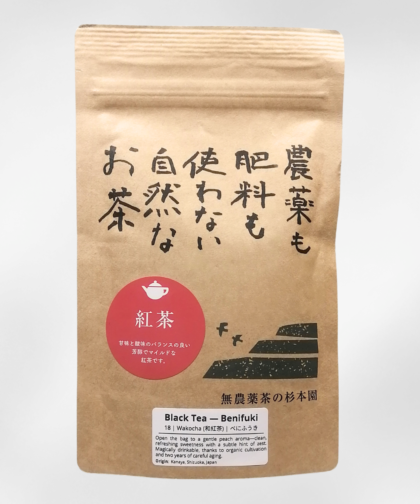
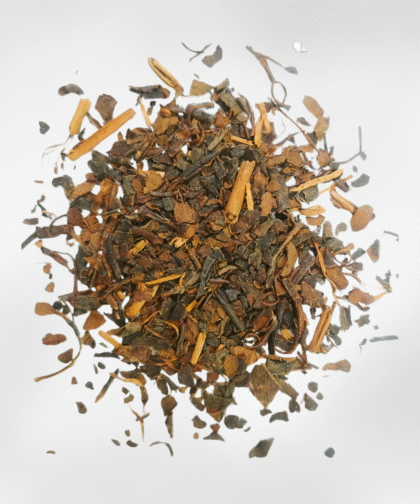
Benifuki | べにふうき
In Stock
A good even keeled hojicha, sweet aftertaste and nice toasty essence.