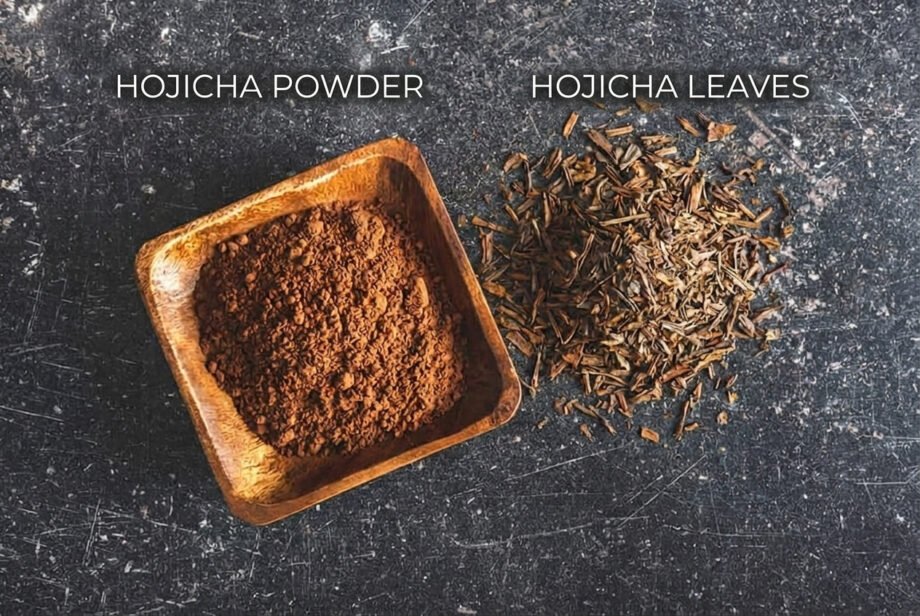
Hojicha: Powder or Loose Leaf?
Hojicha is everywhere — in latte menus, ice cream shops, and baking recipes. But what most people outside Japan don’t realise is that hojicha was never a powder. Here’s the full picture.
The Truth About Hojicha
If you’ve encountered hojicha through a café latte menu or a baking recipe, you probably think of it as a brown powder — similar to matcha but with a toasty, roasted flavour. That’s not wrong, but it’s only a fraction of the story.
Hojicha is, first and foremost, a loose-leaf tea.
It was born in Kyoto in the 1920s, when tea merchants began roasting unsold green tea leaves over charcoal. The result — warm, nutty, deeply comforting — became an instant household staple across Japan. For nearly a century, hojicha has been brewed from whole leaves and stems in a teapot. That is its original form. That is how Japan drinks it.
Hojicha powder is a much more recent invention, driven by the global café culture boom. Roasted tea leaves are ground into a fine powder so they can be whisked into lattes, blended into smoothies, or folded into batter. It’s a useful product — but it’s an adaptation of hojicha, not hojicha itself.
Understanding this distinction isn’t just trivia. It changes what you buy, how you use it, and what you can expect from each form.
We sell a hojicha called Hojicha Zairai — made from native-cultivar tea bushes, sand-roasted, with an earthy depth and lingering sweetness. It is our most popular hojicha at tasting events.
We also sell Hojicha Powder — Zairai — the exact same tea, ground into powder for lattes and baking.
Same origin. Same farmer. Same cultivar. But they are completely different experiences. The loose leaf, brewed in a teapot, is smooth, sweet, and endlessly drinkable on its own. The powder, whisked with water alone, is bitter and astringent — it needs milk to work. This is not a quality issue. It’s a fundamental difference in how each form is designed to be used.
Loose-Leaf Hojicha — The Original
Loose-leaf hojicha is what Japanese households, restaurants, and tea shops have been drinking for a century. You brew it in a teapot (or a kyusu), pour it into a cup, and drink it straight — no milk, no sweetener, nothing else needed. It’s one of the simplest, most comforting teas in the world.
Why loose leaf?
Full flavour spectrum. When you brew whole leaves, hot water extracts flavour gradually and selectively. The result is balanced — you get the toasty sweetness, the roasted depth, and the smooth finish, all in proportion. Grinding the same leaves into powder exposes all of their surface area at once, which means everything extracts simultaneously — including the harsher tannins and bitterness that controlled brewing would leave behind.
Multiple steepings. A single portion of loose-leaf hojicha can be steeped 2–3 times, with each steep revealing a slightly different character. The first steep is the most aromatic; later steeps are mellower and sweeter. Powder is a single use — once it dissolves, it’s done.
Naturally low caffeine. Hojicha is already one of the lowest-caffeine teas. Brewing loose leaf at the right temperature and time gives you even more control over how much caffeine ends up in your cup. With powder, you consume the entire leaf — including all its caffeine.
The ritual. There’s something quietly satisfying about measuring leaves, heating water, waiting a minute, and pouring. It’s not the elaborate ceremony of matcha — it’s a humbler, more everyday kind of mindfulness.
Our Loose-Leaf Hojicha Collection
We carry five loose-leaf hojichas — the most diverse hojicha lineup of any Canadian tea shop. Each one uses a different part of the tea plant, a different roasting method, or a different cultivar. They are not five versions of the same thing. They are five genuinely different teas.

Charcoal-fired Hojicha
The classic. A tea master’s ideal blend of leaves, roasted over traditional charcoal. Rich, comforting aroma with a smooth, approachable flavour. If you’ve never had loose-leaf hojicha, start here.
View Tea →
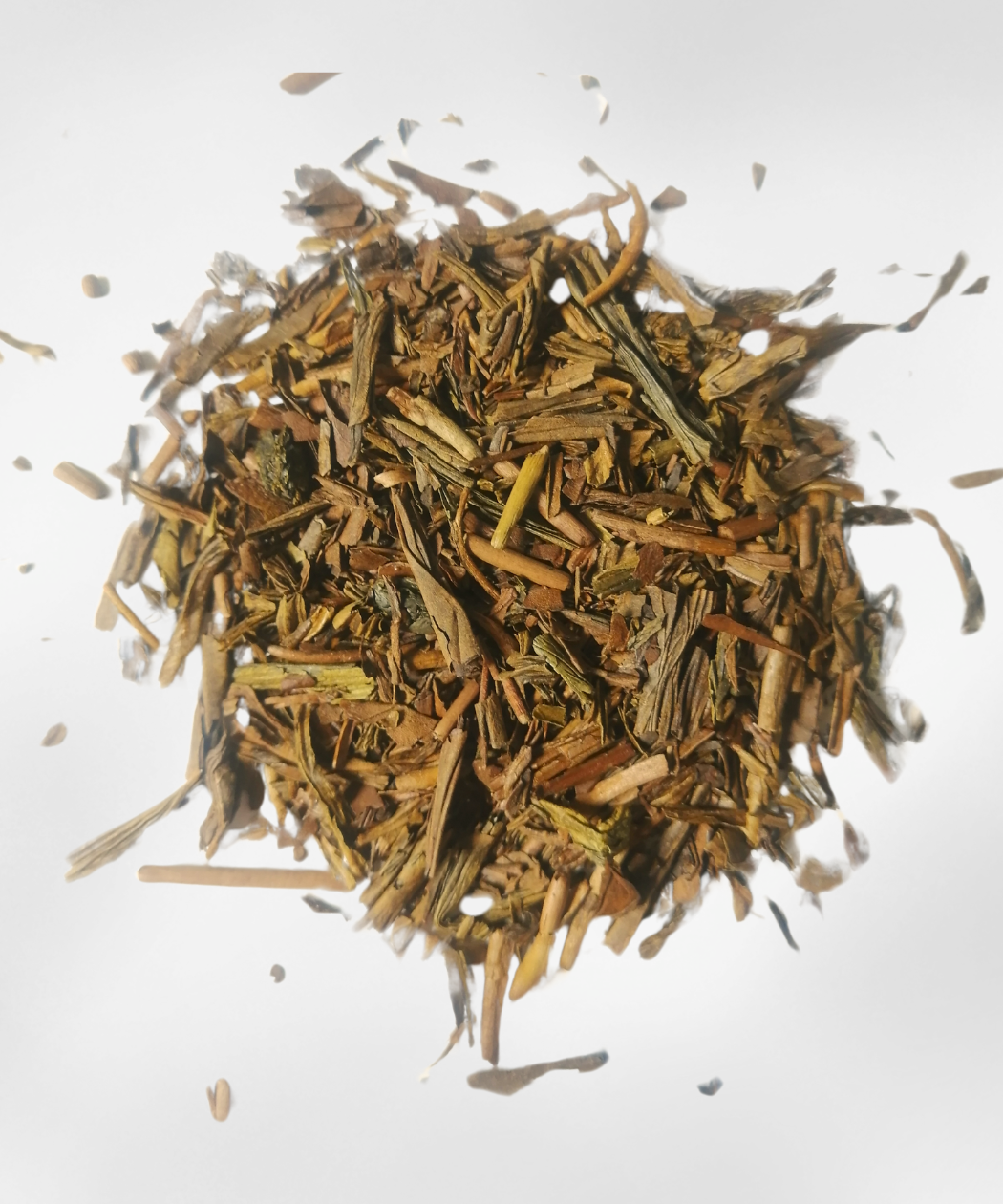
Hojicha Zairai (Native Cultivar)
Our signature hojicha — the one we always pour at tasting events. Made from Zairai, native tea bushes that have grown for decades, naturally adapting to their land. Sand-roasted, with an earthy depth and a lingering sweetness that makes people stop mid-sip. This is also the tea behind our Zairai hojicha powder.
View Tea →
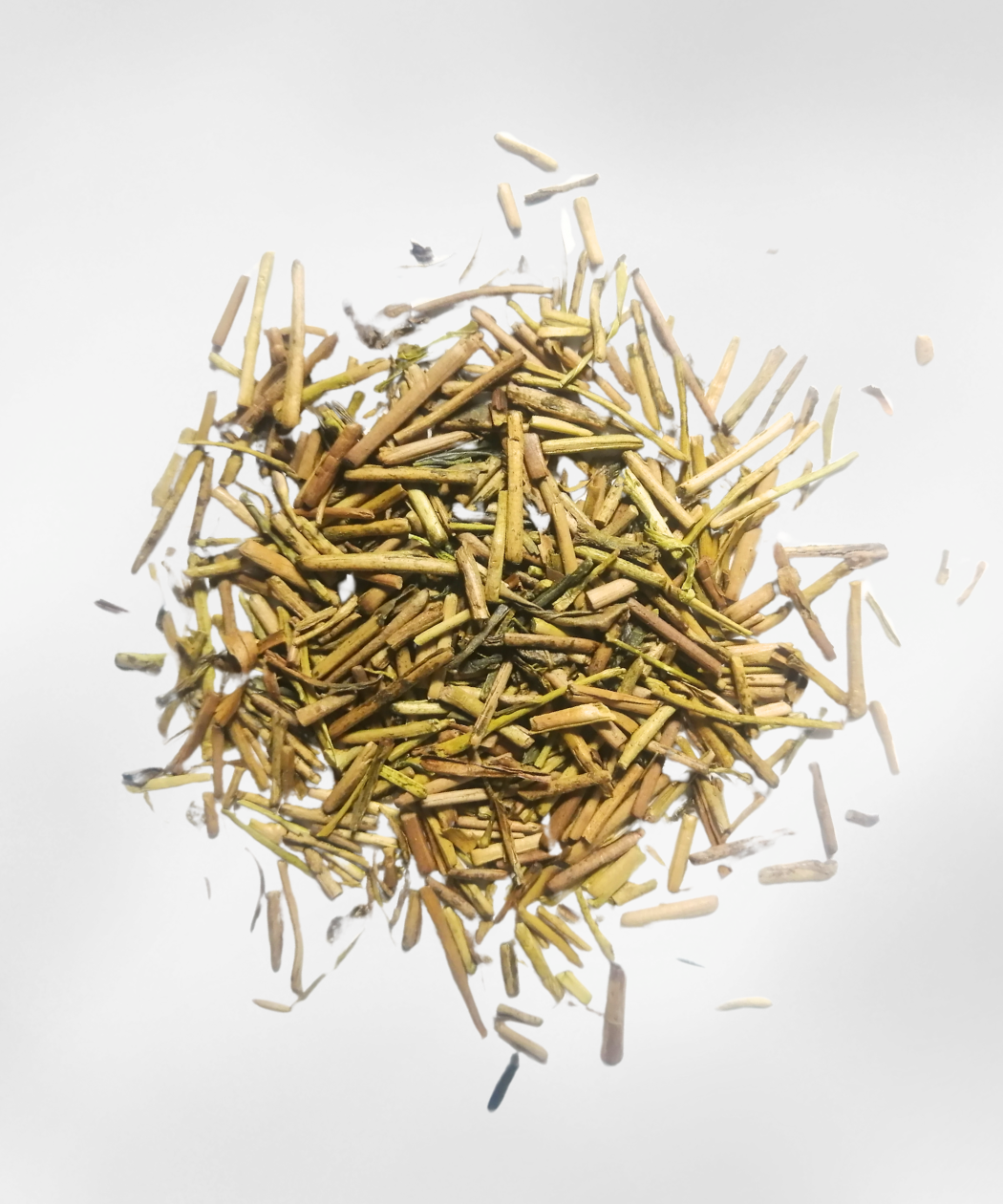
Bo Hojicha
Made from kenbo (剣棒茶) — sword stems, the finest parts from the first harvest. Only 500g can be extracted from 100kg of crude tea. Stems contain more natural sugars than leaves, giving bo hojicha a distinctly sweeter, more floral character. Lighter in body, but more aromatic.
View Tea →
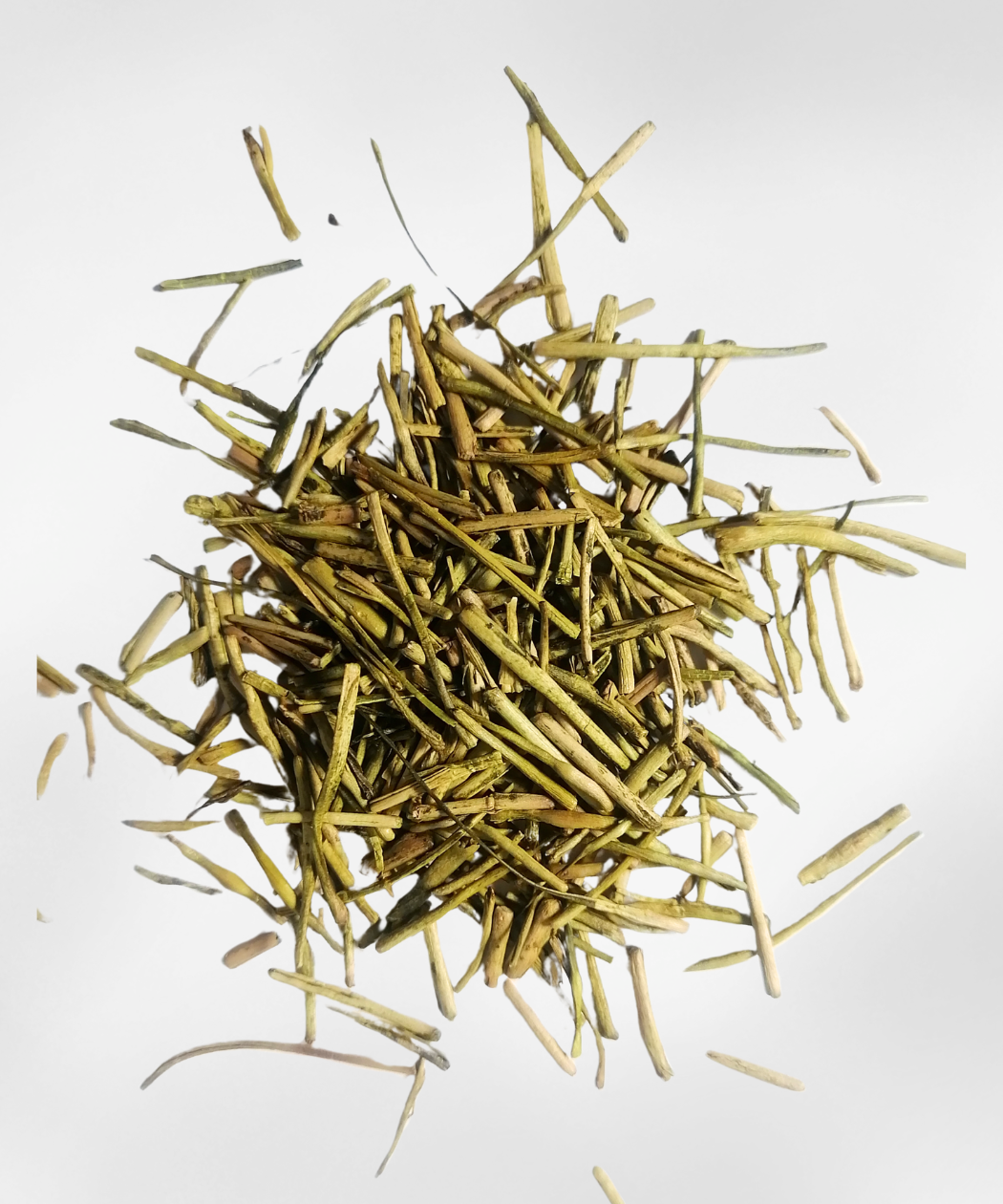
Hand Roasted Bo Hojicha
Artisanal hojicha, roasted by hand using a traditional hōroku (clay pan). Made to order from Japan. This is bo hojicha taken to its highest expression — the manual roasting allows for precise control that machines cannot replicate. Complex, nuanced, unforgettable.
View Tea →

Organic Aged Bo Hojicha (3 Years)
Stems and twigs aged naturally for three years, then roasted. The long aging mellows everything — the result is an incredibly smooth, grounding cup with almost zero caffeine. A traditional Japanese macrobiotic tea, and a genuine coffee alternative for those who want warmth without stimulation.
View Tea →
Hojicha Powder — The Culinary Adaptation
Hojicha powder is what happens when you take roasted tea leaves and grind them into a fine powder — similar in texture to matcha, but brown. It dissolves (or suspends) in liquid, which makes it ideal for recipes where you want hojicha flavour without straining out leaves.
What hojicha powder is for
Lattes. This is the primary use case. Hojicha powder whisked with a small amount of hot water, then topped with steamed or cold milk, creates a warm, toasty latte with a roasted depth that matcha lattes don’t have. It’s particularly popular as a low-caffeine evening alternative.
Baking. Hojicha powder folds beautifully into cake batter, cookie dough, muffins, brownies, and cream fillings. Its warm, nutty flavour pairs especially well with brown butter, white chocolate, and vanilla. Because hojicha powder is less expensive than matcha, it’s more practical for recipes that require a larger volume.
Ice cream, smoothies, and other blending. Anywhere you’d use matcha powder, you can use hojicha powder for a completely different flavour profile.
What hojicha powder is not for
Drinking straight. This is the most important thing to understand. Unlike matcha — which was designed to be whisked with water and consumed on its own — hojicha powder whisked with water alone produces a bitter, astringent, one-dimensional cup. It’s not enjoyable. This isn’t a quality issue; it’s a product design issue. The grinding process exposes the full surface area of the leaves, extracting everything at once — including harsh compounds that controlled brewing of whole leaves would leave behind.
If you want to drink hojicha straight, use loose-leaf hojicha in a teapot. If you want hojicha in a latte or a recipe, use hojicha powder. Using the right form for the right purpose is the difference between a disappointing cup and a revelation.
Our Hojicha Powders
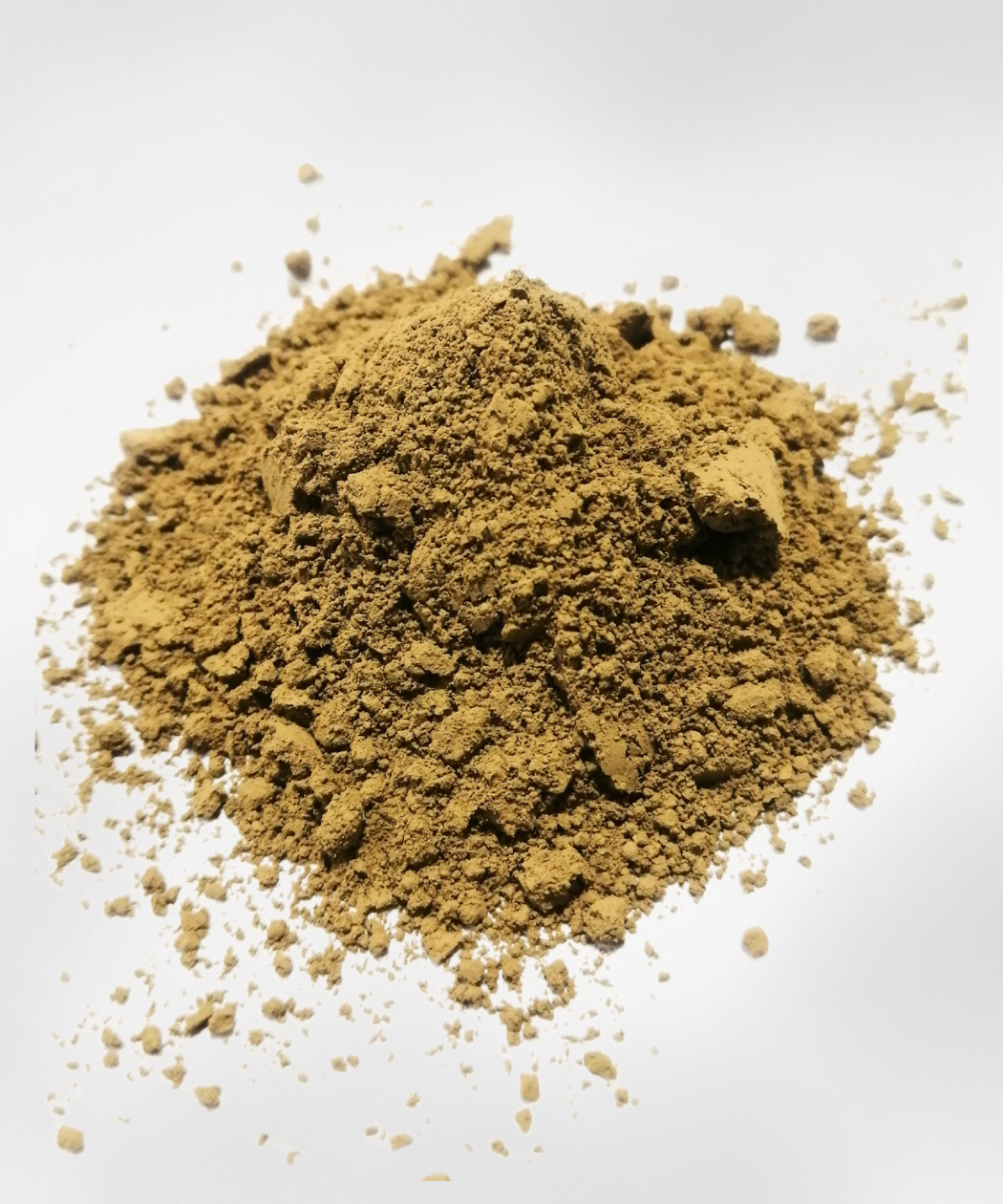
Hojicha Powder — Zairai
Made from the same native-cultivar Zairai hojicha as our signature loose-leaf. Organic, honest, with a dignified bitterness. The assertiveness is a strength — when combined with milk, that bitterness cuts through and makes the hojicha flavour stand out clearly. You taste the tea, not just the milk. Ideal for people who want a latte where the hojicha is the star.
View Tea →
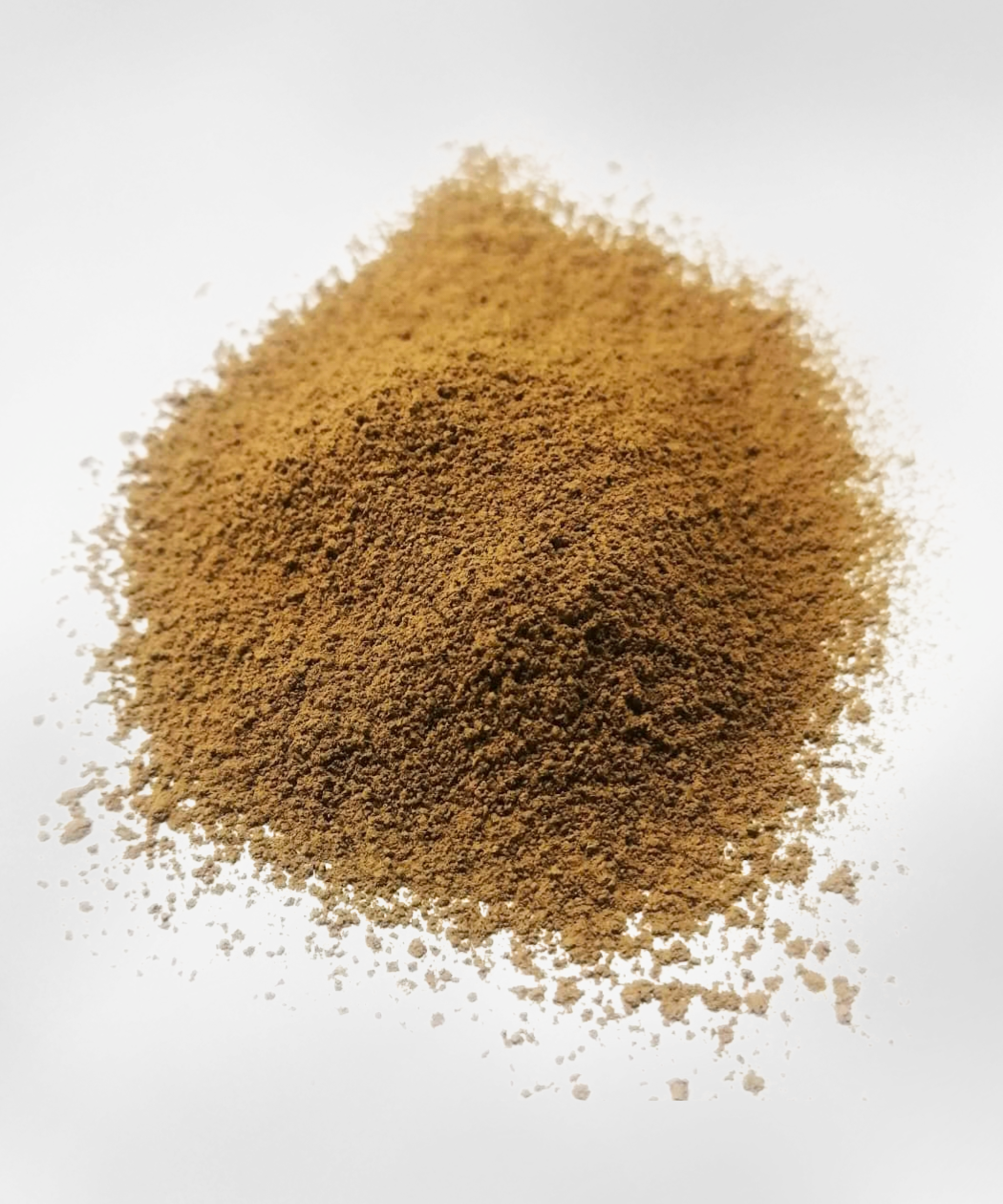
Hojicha Powder — Shizuoka Blend
Blended by a tea master for balance, smoothness, and approachability. Sweeter and more rounded than the Zairai. So mild that it even works with cold steeping — you can mix the powder directly into cold milk without hot water, and it dissolves smoothly. This is the more forgiving, more versatile option. Great for baking, iced lattes, and anyone new to hojicha powder.
View Tea →
Zairai or Shizuoka Blend — Which Powder?
This is genuinely a 50/50 split among our customers. Some prefer the Zairai’s boldness — the bitterness anchors the flavour in milk and gives the latte real depth. Others prefer the Shizuoka Blend’s sweetness and smoothness — it’s gentler, more balanced, and works in a wider range of recipes and temperatures.
A practical tip: if you want a latte where you really taste the hojicha, go Zairai. If you want a mellow, easy-drinking latte, or if you plan to use it in baking or cold drinks, go Shizuoka Blend. Both are excellent. There’s no wrong choice. Read our full comparison →
Loose Leaf vs Powder — The Full Comparison
| Loose-Leaf Hojicha | Hojicha Powder | |
|---|---|---|
| What it is | Whole roasted tea leaves/stems | Roasted tea ground into fine powder |
| History | Since 1920s — the original form | Recent — developed for cafés and baking |
| Drink straight? | Yes — brewed in a teapot, beautiful on its own | No — needs milk or other ingredients |
| Latte? | Possible but less practical | Yes — this is its primary purpose |
| Baking? | Not practical | Yes — excellent for cakes, cookies, ice cream |
| Flavour | Nuanced, sweet, smooth, multi-layered | Concentrated, bold, needs balancing |
| Re-steepable? | Yes — 2–3 steeps per portion | No — single use |
| Caffeine control | More control (temperature, time) | Less control (you consume the whole leaf) |
| Cost per cup | Lower (re-steepable, longer lasting) | Higher per serving, but still affordable |
| Preparation | Teapot, 1 minute steep | Whisk with water, add milk |
How to Brew Each Form
Loose-Leaf Hojicha
Hojicha is one of the most forgiving teas to brew. It handles boiling water without becoming bitter, though 90°C brings out the most sweetness. Re-steep 2–3 times. For cold brew: 5g per 500ml cold water, refrigerate 6–8 hours.
Hojicha Powder (for Lattes)
Hot latte: Whisk 1–1.5 teaspoons of hojicha powder with about 60ml of hot water (not boiling) until smooth. Add 180ml of steamed milk. Sweeten if desired — though many find hojicha’s natural sweetness is enough.
Iced latte: Whisk the powder with a small amount of warm water first, then pour over ice and cold milk. For the Shizuoka Blend, you can skip the hot water step entirely — mix the powder directly into cold milk.
Baking: Replace 1–2 tablespoons of flour with hojicha powder in your recipe. It pairs exceptionally well with white chocolate, cream cheese, and butter-based recipes.
Which Should You Buy?
Buy loose leaf if: You want to drink hojicha as a tea — straight, in a cup, the way Japan has enjoyed it for a century. This is the full hojicha experience. If you’ve only had hojicha in latte form, trying the loose leaf will show you an entirely different dimension of this tea.
Buy powder if: You want hojicha lattes at home, or you want to bake with it. Powder is a kitchen ingredient — versatile, convenient, and designed for mixing.
Buy both if: You want the complete picture. Brew loose-leaf Zairai in a teapot for your quiet evening cup. Use Zairai powder (or Shizuoka Blend) for your morning latte. Same origin, two completely different experiences.
Frequently Asked Questions
Is hojicha powder the same thing as ground hojicha leaves?
Essentially, yes — hojicha powder is roasted tea leaves that have been ground into a fine powder. But unlike matcha (which is specifically stone-milled from shade-grown tencha), hojicha powder is produced using industrial grinders. The result is a powder designed for mixing into drinks and food, not for drinking straight. The grinding process changes how flavour extracts, which is why the powder tastes different from brewed leaves even when the source material is the same.
Can I make a latte with loose-leaf hojicha instead of powder?
You can brew a strong cup of loose-leaf hojicha and add milk to it — and it will taste pleasant. But it won’t have the same thick, integrated texture as a powder-based latte, because the tea liquor and milk remain somewhat separate. For a proper latte experience with that creamy, mixed consistency, powder is the better tool.
Why does hojicha powder taste bitter when whisked with water alone?
When tea is ground into powder, it exposes the entire surface area of the leaf. Pouring water over it extracts everything at once — including tannins and other compounds that produce bitterness. With loose-leaf brewing, water extracts flavour more gradually and selectively, leaving the harsher compounds behind. Milk (or another fat/protein source) in a latte binds to those tannins and smooths them out, which is why powder works beautifully in lattes but not on its own.
What’s the difference between your two hojicha powders?
The Zairai is bolder — organic, single-farm, with a dignified bitterness that cuts through milk clearly. The Shizuoka Blend is smoother — a tea master’s blend, sweeter, more rounded, mild enough for cold steeping directly into cold milk. Customer preference is genuinely 50/50. If you like your latte bold, go Zairai. If you like it mellow, go Shizuoka Blend. Full comparison here →
How much caffeine is in each form?
Both forms are very low in caffeine compared to most teas. Loose-leaf hojicha typically contains 5–20 mg per cup. Hojicha powder may have slightly more per serving because you’re consuming the entire leaf, but it’s still far below coffee (95–200 mg) or matcha (48–80 mg). Both are suitable for evening drinking.
Is hojicha powder the same as matcha?
No. They look similar (both are fine powders) but they’re completely different teas. Matcha is made from shade-grown tencha leaves, stone-milled into a vibrant green powder — it’s designed to be whisked and drunk on its own. Hojicha powder is made from roasted tea leaves, ground into a brown powder — it’s designed as a culinary ingredient for lattes and baking. Different base tea, different process, different purpose. For a full comparison, see our Hojicha vs Matcha article.
What’s the best loose-leaf hojicha for beginners?
The Charcoal-fired Hojicha. It’s the most classic, approachable expression of hojicha — rich, comforting, and universally liked. It’s also 100g, making it the best value. From there, the Zairai is the natural next step if you want more depth and terroir.
Where does Kawagiri’s hojicha come from?
All of our hojichas — both loose leaf and powder — are sourced from Shizuoka, Japan’s largest tea-producing region. We work directly with small farmers and skilled tea refiners who roast the tea using traditional methods including charcoal roasting, sand roasting, and hand roasting with a hōroku (clay pan). Read our full Hojicha Guide →
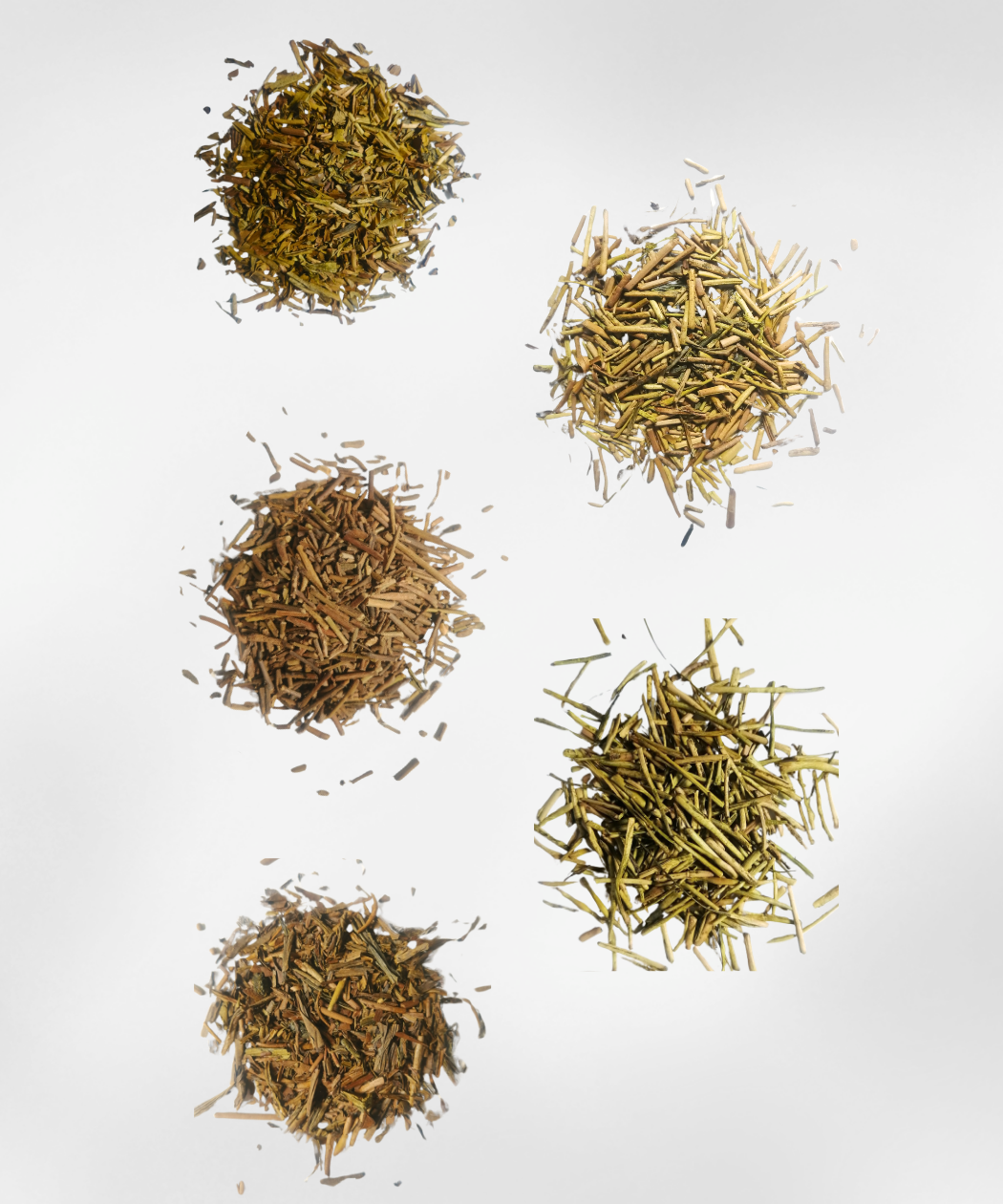
Try All 5 Loose-Leaf Hojichas
Our Hojicha Sampler Set includes all five loose-leaf hojichas — from the classic charcoal-fired to the rare hand-roasted bo hojicha. Ships free across Canada.
Kawagiri Tea sources all hojicha directly from Shizuoka, Japan. Every tea is curated by a certified Japanese Green Tea Instructor. Read our full Hojicha Guide →