Genmaicha
Japan’s Toasted Rice Green Tea — Nutty, Comforting, Endlessly Drinkable
Genmaicha is one of Japan’s most loved everyday teas — a comforting blend of green tea and roasted rice. Here’s everything you need to know, plus our two genmaicha offerings from Shizuoka.
What Is Genmaicha?
Genmaicha (玄米茶, literally “brown rice tea”) is a Japanese green tea blended with roasted rice in roughly equal proportions. The roasted rice gives the tea a warm, nutty, almost popcorn-like aroma, while the green tea provides a clean, vegetal backbone. Together, they create something greater than either ingredient alone — a cup that is toasty, smooth, naturally sweet, and remarkably easy to drink.
The name “genmaicha” comes from genmai (玄米, brown rice) and cha (茶, tea). But here’s a detail that surprises most people: despite the name, modern genmaicha is almost always made with white rice, not brown rice. The rice is soaked, steamed, then roasted until it turns golden brown — and some grains pop like tiny popcorn, which is why genmaicha is sometimes called “popcorn tea.” The roasting process is what gives the rice its colour, not the grain itself.
Why is genmaicha so easy to drink? Two reasons. First, the roasted rice dilutes the tea’s caffeine and astringency, making it gentler than pure sencha. Second, the rice’s natural sweetness balances any bitterness from the tea leaves. The result is a forgiving, approachable cup that even people who don’t normally enjoy green tea tend to love. In Japan, genmaicha is commonly served to children, hospital patients, and the elderly — a sign of how mild and comforting it is.
The History of Genmaicha — Born from Mottainai
Genmaicha’s origin is rooted in a very Japanese idea: mottainai (もったいない) — the feeling that wasting something is a shame.
The most historically grounded account traces genmaicha to Kyoto in the late Taishō to early Shōwa period (roughly 1920s–1930s). According to this account, a tea merchant in Kyoto was looking for a use for the small fragments of kagami mochi (鏡餅) — the decorative rice cakes displayed during New Year — left over after the traditional kagami biraki (鏡開き) ceremony. Rather than discard them, he roasted the pieces and mixed them into tea. The result was delicious, and the idea quickly caught on. Multiple Kyoto-based tea companies, established during this period, each claim to have originated genmaicha, marketing it under names like “Hana Yanagi” (花やなぎ) and “Hōrai-cha” (蓬莱茶).
A separate tradition holds that in the rice-growing regions of Tōhoku, households had long stretched their expensive tea by adding roasted rice and beans — a practical response to scarcity rather than a commercial invention. Another account connects genmaicha to kaiseki cuisine, where the scorched rice (okoge) at the bottom of the cooking pot was served with hot water at the end of a meal — a simple, nourishing combination of rice and warm liquid that may have inspired the blend.
There is also a well-known legend about a servant named Genmai who accidentally dropped rice grains into his samurai master’s tea and was punished for it — but when the master tasted the tea, he found it remarkable and named the blend in the servant’s honour. This story is almost certainly fictional, but it has become an inseparable part of genmaicha’s folklore.
Whatever its precise origin, genmaicha was historically associated with affordability. The rice acted as a filler, making a small amount of tea stretch further. For this reason, it was sometimes called “the people’s tea.” But over the decades, genmaicha has shed that reputation entirely. Today it is valued for its unique flavour, and premium versions — made with first-harvest sencha, shade-grown leaves, or added matcha — are a world apart from the humble blend it once was.
Types of Genmaicha
Not all genmaicha is the same. The flavour, body, and character change depending on the base tea, the type of rice, and whether matcha is added.
Standard Genmaicha (煎茶玄米茶 or 番茶玄米茶)
The most common type. Made by blending bancha (late-harvest tea) or everyday sencha with roasted rice. Bancha-based genmaicha is lighter and more mellow; sencha-based versions have a crisper, more defined green tea presence alongside the rice. Most commercially available genmaicha in Japan falls into this category — it’s the everyday version you’ll find in homes, offices, restaurants, and hospitals across the country.
Matcha Genmaicha (抹茶入り玄米茶)
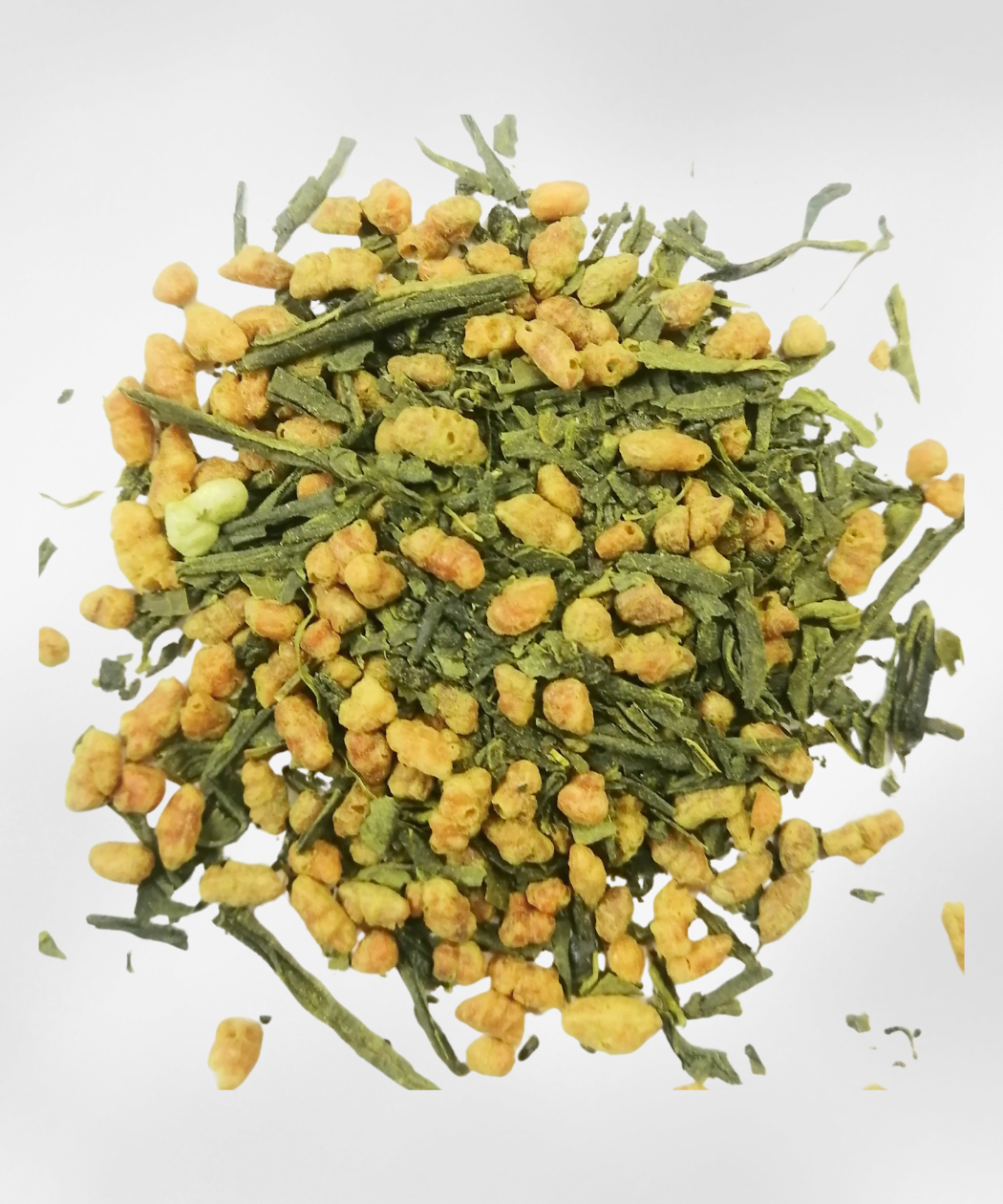
Genmaicha with a fine dusting of matcha powder added to the blend. The matcha gives the tea a vibrant green colour, a smoother mouthfeel, and a gentle umami depth that standard genmaicha doesn’t have. It also changes the visual character — the roasted rice grains appear dusted in green, which makes the blend easy to identify. Matcha genmaicha has slightly more caffeine than standard genmaicha (because of the added matcha), but it’s still well below sencha. This has become one of the most popular varieties of genmaicha, both in Japan and internationally.
Premium Single-Farm Genmaicha
The traditional approach uses inexpensive tea leaves, since the rice’s flavour dominates. But a growing number of producers are taking the opposite approach — using high-quality, first-harvest, or shade-grown leaves as the base. The idea is that if the tea itself has character, the blend becomes more than just “toasty” — it gains depth, sweetness, and nuance that commodity genmaicha cannot reach. This is the category our Farmer’s Reserve Genmaicha belongs to.
Mochi Rice vs. Uruchi Rice
An often-overlooked distinction. Mochi rice (もち米, glutinous rice) produces a sweeter, more fragrant genmaicha and is considered the premium choice. Uruchi rice (うるち米, regular rice) is more common and gives a cleaner, lighter roasted flavour. Some producers blend both. The quality of a genmaicha depends at least as much on the rice as on the tea — a well-roasted, high-quality rice is the foundation of every great genmaicha.
The roasting of the rice itself is a craft. Done properly, it involves multiple stages — slow, controlled roasting at gradually increasing temperatures to ensure the heat penetrates to the core of each grain. A single high-temperature pass would only char the surface while leaving the inside undercooked, trapping the rice’s flavour rather than releasing it. On a given day, a skilled roaster adjusts temperature and timing based on humidity and ambient temperature to coax out the fullest aroma.
Our Genmaicha Collection

Farmer’s Reserve Genmaicha
A private batch made exclusively for Kawagiri. The base tea is shade-grown Kabuse Yabukita from Ikumi, Shizuoka — shaded for over 20 days, reaching gyokuro-level depth. These leaves were never intended for genmaicha; we asked the farmer to make an exception. Blended at a 1:1 ratio with JAS-certified organic roasted rice from Niigata. Gentle, humble, with a hint of oceanic saltiness and a comforting roastiness.
View Tea →
Matcha Genmaicha
The base is mountain-grown tea from over 800 metres elevation in Honyama, lightly steamed to preserve the leaf’s natural character. The matcha is used sparingly — not to mask, but to refine the finish. Crafted by the tea masters at Hagiri. The result is a genmaicha with a snacky, almost addictive quality — light enough to drink cup after cup, but layered enough that you taste something every time.
Farmer’s Reserve vs. Matcha Genmaicha — How to Choose
| Farmer’s Reserve | Matcha Genmaicha | |
|---|---|---|
| Base Tea | Shade-grown Kabuse Yabukita (single farm) | Mountain-grown Yabukita (tea master’s blend) |
| Origin | Ikumi, Shizuoka (310m) | Honyama, Shizuoka (800m+) |
| Matcha | No | Yes — light dusting |
| Flavour | Toasty, oceanic, gentle sweetness | Snacky, toasty, smooth umami finish |
| Body | Medium — more defined green tea presence | Medium — rounder, creamier from matcha |
| Caffeine | Low | Low–Moderate (slightly more from matcha) |
| Best For | Those who appreciate terroir and subtle depth | Everyday drinking, genmaicha newcomers |
| Rice | JAS organic, Niigata | Roasted rice (Hagiri blend) |
Both are excellent entry points into genmaicha. If you want the pure expression of premium tea + rice with nothing else, the Farmer’s Reserve is the one. If you want the classic matcha genmaicha experience — vibrant, smooth, and endlessly drinkable — the Matcha Genmaicha is for you. Many of our customers end up keeping both.
How to Brew Genmaicha
Genmaicha is one of the most forgiving Japanese teas to brew. It handles higher temperatures better than pure sencha, and even a slightly longer steep won’t ruin the cup — the roasted rice keeps things smooth.
Standard genmaicha (including our Matcha Genmaicha): Use 90°C water and steep for about 1 minute. The higher temperature helps release the roasted rice’s full aroma. If your matcha genmaicha has a matcha dusting, give the pot a gentle swirl before pouring — the matcha dissolves quickly and distributes the flavour.
Farmer’s Reserve Genmaicha: Because the base tea is shade-grown with tender leaves, brew it a bit more gently — 80°C water, 1.5 minutes. Pouring 80°C water into a kyusu naturally lowers the temperature further, bringing out the sweetness and umami. Treat it more like a quality sencha that happens to have rice in it.
Re-steeping: Both genmaicha styles can be steeped 2–3 times. Each steep will shift the balance — the first steep is the most aromatic (the rice is loudest), while later steeps bring out more of the green tea’s character. For the matcha version, the matcha flavour is strongest in the first cup.
Cold brew: Genmaicha makes a surprisingly good cold brew. Use 5g of leaves per 500ml of cold water and steep in the refrigerator for 6–8 hours. The result is smooth, lightly sweet, and refreshing — a natural fit for summer.
Common mistake: Using too little tea. Genmaicha is 50% rice by volume, so you need a slightly more generous portion than you would for pure sencha to get a satisfying cup.
Genmaicha and Caffeine
Genmaicha is one of the lowest-caffeine options among genuine teas (as opposed to herbal tisanes, which are caffeine-free). A standard cup contains roughly 10–30 mg of caffeine, depending on the base tea and brewing method. For context: a cup of sencha has about 20–50 mg, matcha has 48–80 mg, and coffee has 95–200 mg.
The low caffeine comes from two factors. First, genmaicha is traditionally made with bancha (late-harvest leaves), which naturally contains less caffeine than early-harvest sencha. Second, the rice makes up about half the blend by volume, and rice contains no caffeine — so it effectively dilutes the caffeine per cup by half.
Matcha genmaicha has slightly more caffeine than standard genmaicha because of the added matcha powder, but the amount of matcha is small (typically less than 5% of the blend). Expect roughly 25–35 mg per cup — still well below a cup of sencha.
This makes genmaicha a practical choice for afternoon and evening drinking, for anyone reducing caffeine intake, or for households where children and adults share the same pot.
Health Benefits of Genmaicha
Genmaicha combines the well-documented benefits of green tea with the additional properties of roasted rice. Here are the key highlights.
Antioxidants from green tea. The tea leaves in genmaicha contain catechins — particularly EGCG (epigallocatechin gallate) — which are powerful antioxidants associated with reduced inflammation, cardiovascular support, and cellular protection. Genmaicha retains more catechins than roasted teas like hojicha, because its base leaves undergo less heat processing.
GABA and L-theanine for relaxation. Genmaicha contains both GABA (gamma-aminobutyric acid), which occurs naturally in roasted brown rice, and L-theanine, an amino acid found in green tea. Both are associated with reducing stress and promoting calm. The combination of low caffeine and these calming compounds is part of why genmaicha is often recommended as an evening tea in Japan.
Gentle on the stomach. The roasted rice provides a mild buffering effect, reducing the astringency that some people experience with pure green tea on an empty stomach. In Japan, genmaicha is traditionally served with meals and is a common choice for settling an upset stomach — its warm, starchy quality is genuinely soothing.
Low calorie, no sugar. Despite tasting nutty and subtly sweet, genmaicha is essentially zero-calorie when brewed. The rice contributes flavour but very little caloric content to the infusion. This makes it a satisfying alternative to sweetened beverages, and its snacky quality can help curb idle snacking.
Note: Health information here is for general education only and is not medical advice.
Genmaicha vs. Other Japanese Teas
| Genmaicha | Sencha | Hojicha | Matcha | |
|---|---|---|---|---|
| Flavour | Toasty, nutty, sweet | Grassy, vegetal, fresh | Warm, smoky, caramel | Umami, vegetal, rich |
| Caffeine | Low (10–30 mg) | Moderate (20–50 mg) | Very Low (5–20 mg) | High (48–80 mg) |
| Bitterness | Very little | Moderate | Almost none | Moderate |
| Colour | Golden yellow (green if matcha added) | Bright yellow-green | Reddish-brown | Vibrant green |
| Best For | Anytime, meals, beginners | Daily drinking, mornings | Evenings, coffee alternative | Morning energy, focus |
| Forgiveness | Very forgiving | Needs care | Very forgiving | Needs care |
Genmaicha and hojicha are natural companions — both are low in caffeine, comforting, and beginner-friendly. Many of our customers keep both on hand: genmaicha for its nutty warmth with meals, and hojicha for its deeper roasted character in the evening.
Frequently Asked Questions
Is genmaicha really made with brown rice?
Despite the name (玄米 = brown rice), most modern genmaicha uses white rice that has been soaked, steamed, and roasted until golden brown. The “brown” in the name refers to how the rice looks after roasting, not the type of rice used. Some producers use mochi rice (glutinous rice), which produces a sweeter, more fragrant blend and is considered the premium option.
How much caffeine is in genmaicha?
A cup of standard genmaicha contains roughly 10–30 mg of caffeine — about half that of sencha. The rice, which makes up about 50% of the blend, contains no caffeine and effectively dilutes the caffeine content. Matcha genmaicha has slightly more (25–35 mg) due to the added matcha, but it’s still low. For reference, coffee has 95–200 mg per cup.
What does genmaicha taste like?
Warm, nutty, and toasty — like roasted rice with a clean green tea finish. Many people describe it as comforting or “snacky.” The roasted rice gives it a naturally sweet quality with almost no bitterness. It’s one of the most approachable Japanese teas for people who find pure green tea too grassy or astringent.
Why is genmaicha called “popcorn tea”?
During roasting, some rice grains pop open and puff up — looking (and sounding) like miniature popcorn. These popped grains, called genmai-bana (玄米花, “rice flowers”), are mixed into the blend and give genmaicha its distinctive appearance. The nickname “popcorn tea” comes from both the visual resemblance and the warm, toasty aroma.
What’s the difference between genmaicha and matcha genmaicha?
Matcha genmaicha is standard genmaicha with a small amount of matcha powder added. This gives it a deeper green colour, a smoother mouthfeel, a gentle umami note, and slightly more caffeine. The overall character is richer and more full-bodied. If you enjoy the toasty quality of regular genmaicha but want something a little more layered, matcha genmaicha is the natural next step.
Can I cold brew genmaicha?
Yes — cold-brewed genmaicha is smooth, naturally sweet, and very refreshing. Use about 5g of tea per 500ml of cold water and steep in the refrigerator for 6–8 hours. Cold brewing extracts less caffeine and virtually no bitterness, making it ideal for summer drinking or for anyone wanting an ultra-gentle cup.
Is genmaicha good with food?
Extremely. In Japan, genmaicha is considered one of the best teas to pair with meals. Its toasty, neutral character complements a wide range of foods — sushi, grilled fish, rice dishes, light soups, and even Western fare like sandwiches and salads. The rice component gives it an almost food-like quality that bridges the gap between tea and a meal.
Can I eat the rice in genmaicha?
Yes! The roasted rice and popped grains are perfectly safe to eat. Some people snack on them straight out of the bag — they taste like light, crunchy rice crackers. The rice’s flavour is mainly extracted during brewing, so the spent grains after steeping will be milder.
Is genmaicha good for sensitive stomachs?
Yes. The roasted rice provides a mild buffering effect, reducing the astringency that pure green tea can sometimes cause on an empty stomach. Genmaicha is commonly served in Japanese hospitals and to elderly people for precisely this reason. If straight sencha or matcha bothers your stomach, genmaicha may be a more comfortable option.
Where does Kawagiri’s genmaicha come from?
Both of our genmaicha teas are sourced from Shizuoka, Japan’s largest tea-producing region. The Farmer’s Reserve uses shade-grown leaves from Ikumi (Mr. Ohashi’s farm, 310m elevation) blended with JAS organic rice from Niigata. The Matcha Genmaicha uses mountain-grown tea from Honyama (800m+ elevation), crafted by the tea masters at Hagiri.
What does Organic* mean on this page?
Some of our teas are JAS-certified organic, while others are grown using equivalent practices (no pesticides, no synthetic fertilizers) but without formal certification. We mark both as “Organic*” and explain each tea’s certification status on its product page. Learn more about our organic standards →
Everyday Green
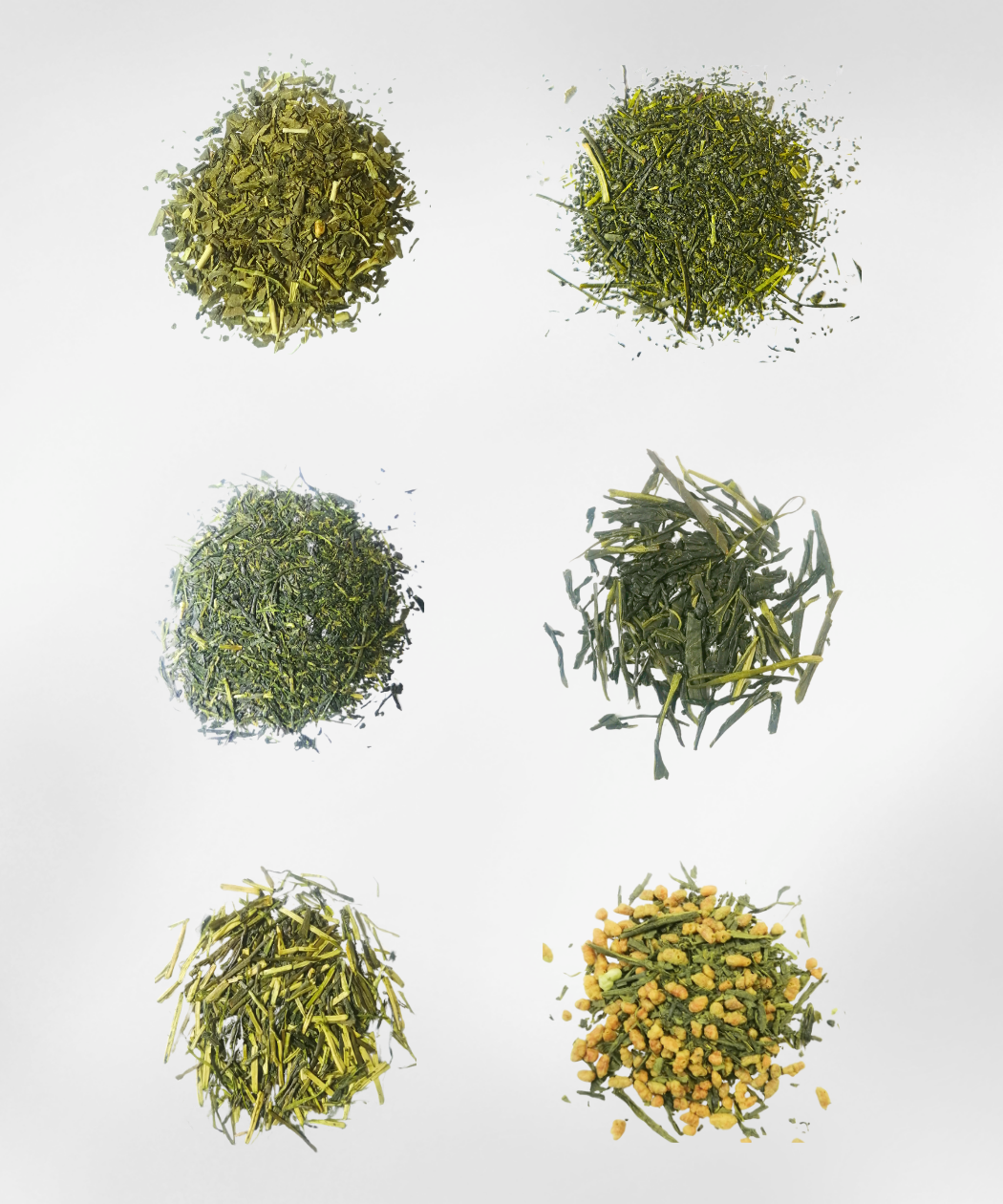
Both genmaicha teas are included in this set — along with four of our most popular sencha. Ships free across Canada.
Buy Genmaicha Online — Ships Free Across Canada
Kawagiri Tea offers two distinct genmaicha teas, both sourced from Shizuoka, Japan, and curated by a certified Japanese green tea instructor. Whether you’re looking for the comforting simplicity of a premium single-farm genmaicha or the smooth, vibrant character of a matcha-dusted blend, we have a genmaicha for you.
All orders over $85 ship free across Canada. Sampler sets always ship free. First-time customers can save 10% with code FIRST10.