


Farmer’s Reserve Genmaicha | 玄米茶
Price range: $10.00 through $25.00
A private batch, just for us — shade-grown leaves that were never meant for genmaicha.
Most genmaicha is made with inexpensive tea leaves from the second or third harvest, which can taste sharper and more bitter. This one is different.
Mr. Ohashi grows shade-covered Kabuse Yabukita in the hills of Ikumi, Shizuoka. His leaves are shaded for over 20 days — far beyond the usual kabuse duration of 7–14 days, reaching the level reserved for gyokuro, Japan’s highest grade of green tea. Leaves like these are normally kept for blending, used to lift the flavour of other teas — never made into genmaicha. We asked him to make an exception.
This is a private batch made exclusively for Kawagiri, using leaves that are, by any standard, too good for genmaicha — blended at a 1:1 ratio with JAS-certified organic roasted rice from Niigata.
The result is gentle and humble, with a hint of oceanic saltiness and a comforting roastiness. Grown without pesticides or synthetic fertilizers, that purity comes through in every sip — clean, soothing, the kind of flavour that seeps into your body quietly, even on a day you’re feeling unwell. Like warm lemonade on a quiet sick day.
Tea Profile
Flavour: Toasty, Oceanic, Comforting, Mild
Type: Single Farm / Single Cultivar
Cultivar: Yabukita やぶきた
Origin: Ikumi, Shizuoka
Elevation: 310m
Harvest: First Flush 2025 Spring
Harvest Method: Two-person hand-guided harvester
Steaming: Medium Steamed / Chumushi 中蒸し
Pesticide-free: Grown without pesticides or synthetic fertilizers (not JAS-certified)
Shading: Kabuse 被せ (20+ days)
Producer: Mr. Ohashi
Rice: JAS-certified organic roasted rice, Niigata Prefecture (Blend with 1:1 ratio)
Brewing Instructions
Hot Brew
Tea / Water Ratio: 4g / 100ml
Temperature: 176°F (80°C)
Steeping Time: 1.5 minutes
Pouring 80°C water into a kyusu naturally lowers the temperature to around 70°C — ideal for bringing out sweetness and umami.
Most genmaicha does well with hotter water and shorter steeps — but this one uses tender, shade-grown leaves. Brew it the way you would a quality green tea.
Learn More
What Is Genmaicha?
Genmaicha (玄米茶) is a traditional Japanese tea made by blending green tea leaves with roasted brown rice. The toasted rice gives the tea a warm, nutty aroma and a naturally sweet, comforting taste — one of the most approachable Japanese teas for newcomers and a daily favourite in Japan.
Originally known as “the people’s tea,” genmaicha was created as a way to make tea more affordable — the rice helped stretch limited tea supplies. Today, it’s one of the most widely enjoyed teas in Japan, loved for its low bitterness and satisfying, toasty character.
What Makes This Genmaicha Different?
Most genmaicha uses second or third flush leaves — later harvests that tend to be sharper and more bitter. This version is made with first flush, shade-grown kabuse leaves from a single farm in Ikumi, Shizuoka. The shading period exceeds 20 days, reaching gyokuro level — Japan’s highest grade of leaf tea.
Leaves like these are normally reserved for premium blending, not genmaicha. The result is a gentler, more refined cup with a hint of oceanic sweetness underneath the toasty rice.
Genmaicha Caffeine Content
Genmaicha generally contains less caffeine than regular sencha because the roasted rice dilutes the tea leaf content per cup. You can expect roughly 20–30 mg of caffeine per serving — about a third of a cup of coffee. This makes genmaicha a good choice for afternoon or evening drinking, or for anyone looking for a lighter caffeine option.
How to Brew Genmaicha
Most genmaicha is brewed with boiling water, but this one is different. Because it uses tender, shade-grown first flush leaves, we recommend 4 g of tea per 100 ml of water at 80°C (176°F), steeped for 1.5 minutes.
Pouring 80°C water into a teapot naturally lowers the temperature to around 70°C — ideal for bringing out sweetness and umami without bitterness. This tea is good for 2–3 steepings.
1 review for Farmer’s Reserve Genmaicha | 玄米茶
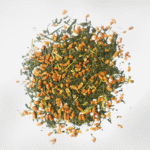 Farmer's Reserve Genmaicha | 玄米茶
Related products
-
Price range: $10.00 through $15.00
 Sale!
Sale!

Kirari 31 | きらり31
In Stock -
Price range: $10.00 through $25.00

Kukicha | くき茶
In Stock -
Price range: $10.00 through $25.00
Zairai Shimizu | 在来 清水
In Stock
Toasty, toasty, even flavored, zero astringency, great for everyday drinking if you are already a genmaicha lover.