
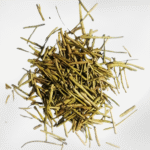
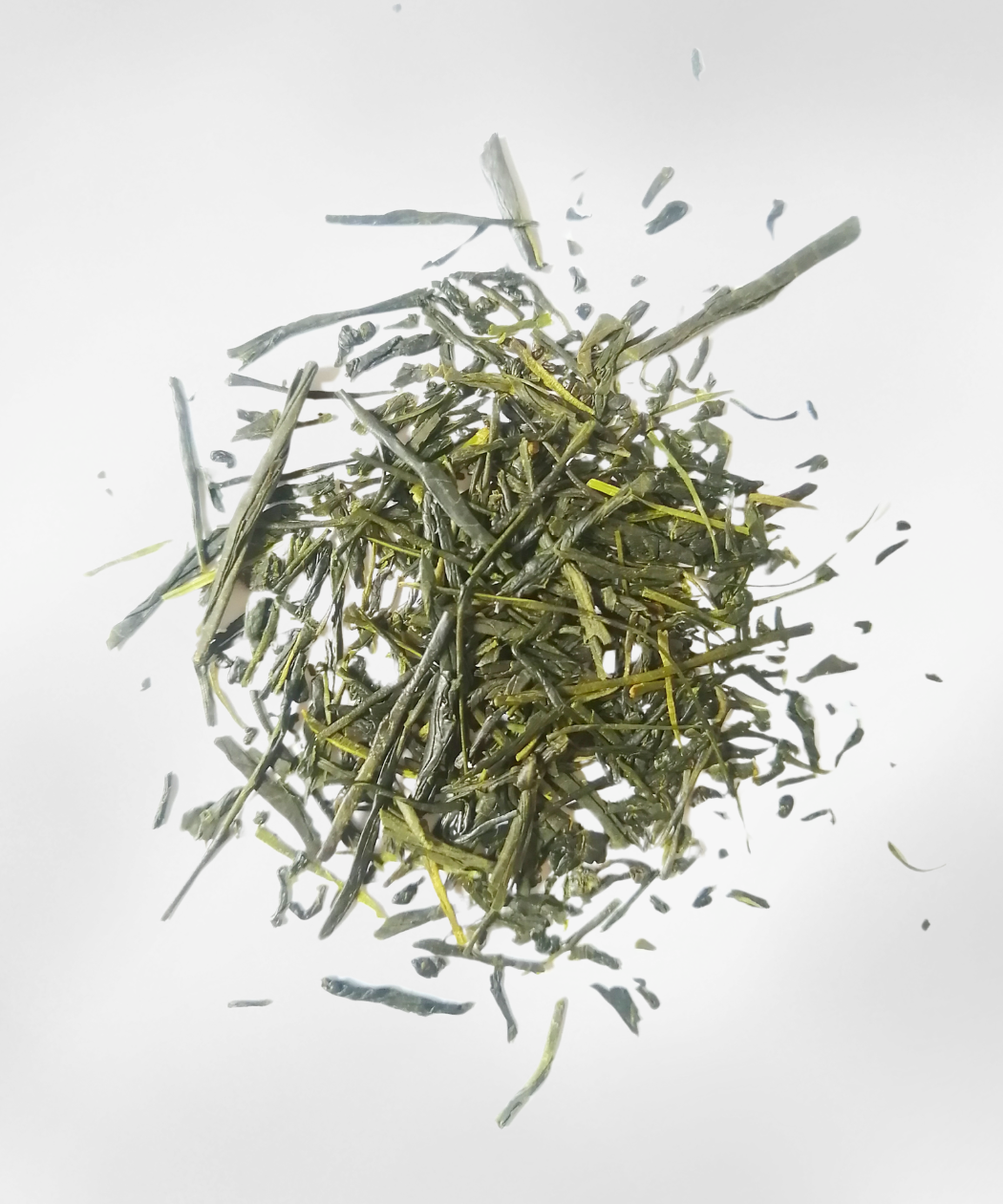
Koshun | 香駿
Price range: $10.00 through $26.00
This tea might change how you see Japanese tea.
Highly herbal and aromatic, with a distinctive cinnamon-like spice that sets it apart from any conventional Japanese green tea. Koshun’s bold character once made the industry shy away from this cultivar — too different, too unusual. That’s exactly why we love it. While Koshun is typically known for its strong astringency, the terroir of Tenryu’s mountains brings out a rich, rounded sweetness that balances the herbal intensity beautifully. Crafted with sharp, needle-like leaves from a bud-weight focused harvest, where yield is sacrificed to concentrate flavour in every leaf.
This has been our best-seller — and cold brew is where it truly shines. At our tasting events, this is the tea that stops people mid-sip. The cold brew unlocks a concentrated sweetness and umami that most people don’t expect from a green tea. We’ve watched it change people’s minds about Japanese tea, one cup at a time.
If you’re curious about what Koshun can do as a black tea or an oolong, we carry those too — all from the same cultivar.
Tea Profile
Flavour: Herbal, Cinnamon, Sweet, Umami
Type: Single Farm / Single Cultivar
Cultivar: Koshun 香駿
Origin: Tenryu, Shizuoka
Elevation: 250m
Harvest: First Flush, May 2026
Harvest Method: Two-person hand-guided harvester
Steaming: Light Steamed / Asamushi 浅蒸し
Cultivation: Bud-weight focused — harvest is slightly delayed to concentrate nutrients in each leaf
Producer: Hagiri (Tea Refiner)
Brewing Instructions
Hot Brew
Tea / Water Ratio: 3g / 100ml
Temperature: 176°F (80°C)
Steeping Time: 1.5 minutes
Pouring 80°C water into a kyusu naturally lowers the temperature to around 70°C — ideal for bringing out sweetness and umami.
Cold Brew ★ Recommended
Tea / Water Ratio: 15g / 1L
Water: Ice-cold (not room temperature)
Steeping Time: 6+ hours in the fridge Do not shake — let it steep gently.
Use a cold brew pitcher with a built-in strainer, or place tea leaves in filter bags. A kyusu isn’t necessary.
Tips:
- Use chilled water, not room temperature — the slow extraction enhances umami and sweetness while keeping bitterness at bay.
- For a stronger cup, add more leaves or extend the steeping time. Serving over ice works well too.
- Leaving the leaves in won’t make it bitter, as long as it stays cold. Best enjoyed within 24 hours.
Learn More
What Is Koshun?
Koshun (香駿) is a rare Japanese tea cultivar known for its highly aromatic, herbal character. The name combines “fragrance” (香) with “Suruga” (駿) — the ancient name for what is now central Shizuoka Prefecture, where the cultivar was born. In other words, Koshun means “the fragrance of Shizuoka.”
Koshun was developed at the Shizuoka Tea Research Centre as a cross between Kurasawa and Kanaya Midori. For years, the tea industry considered it too unusual for mainstream production — its flavour was simply too different from the Yabukita standard. Today, it’s gaining recognition among specialty tea lovers precisely because of that distinctiveness, and its cultivation area is gradually expanding beyond Shizuoka.
What Does Koshun Taste Like?
Koshun’s most striking feature is its aroma — herbal, with notes of cinnamon and spice that are uncommon in Japanese green tea. On the palate, it delivers a rich sweetness balanced by a full body. While Koshun is often known for strong astringency, the mountain terroir of Tenryu, Shizuoka brings out a rounded sweetness that softens the herbal intensity.
If you enjoy aromatic teas, Darjeeling first flush, or oolong teas with floral character, Koshun may appeal to you. It’s a tea that often surprises people who think they know what Japanese green tea tastes like.
Koshun Hot Brew vs Cold Brew
Hot brewing brings out Koshun’s herbal, spicy character — the cinnamon notes and full body are most pronounced this way. Cold brewing unlocks a completely different side: concentrated sweetness and umami with a smooth, almost juicy mouthfeel. Many people who try Koshun cold-brewed for the first time are surprised by how sweet and refreshing it is.
If you’re new to Koshun, we recommend trying it both ways to experience the full range of this cultivar.
How to Brew Koshun
For hot brew, use 3 g of tea per 100 ml of water at 80°C (176°F). Steep for 1.5 minutes. Pouring 80°C water into a kyusu naturally lowers the temperature to around 70°C — ideal for bringing out sweetness and umami. Good for 2–3 steepings.
For cold brew (recommended), use 15 g of tea per 1 litre of ice-cold water — not room temperature. Steep for 6+ hours in the fridge without shaking. Use a cold brew pitcher with a built-in strainer, or place the leaves in filter bags. The slow, cold extraction enhances umami and sweetness while keeping bitterness at bay. For a stronger cup, add more leaves or extend the time. Leaving the leaves in won’t make it bitter as long as it stays cold. Best enjoyed within 24 hours.
Koshun as Green Tea, Black Tea, and Oolong
One of the fascinating things about Koshun is its versatility. The same cultivar can be processed into green tea, black tea (wakocha), or oolong — and each version highlights different aspects of its character. The green tea showcases herbal intensity and umami, the black tea brings out malty sweetness, and the oolong emphasises floral aromatics. Exploring all three is a unique way to understand how processing shapes the taste of tea from the same plant.
1 review for Koshun | 香駿
 Koshun | 香駿
Related products
-
Price range: $10.00 through $27.00

Kabuse Yabukita Ikumi | 被せやぶきた 伊久美
In Stock -
Price range: $10.00 through $25.00
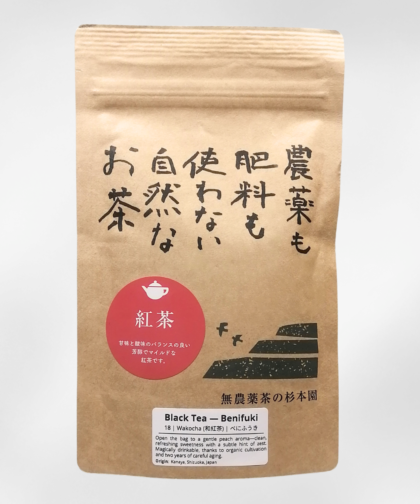
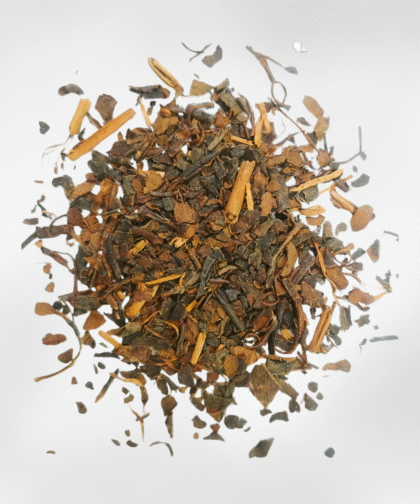
Benifuki | べにふうき
In Stock -
$40.00
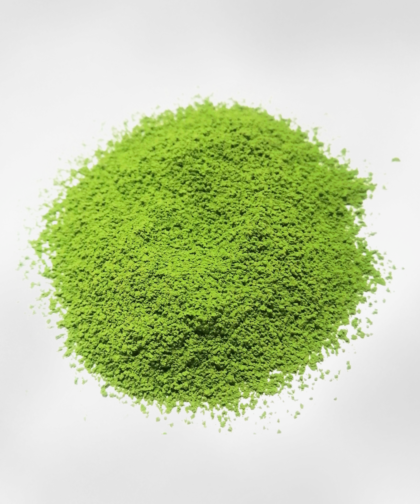
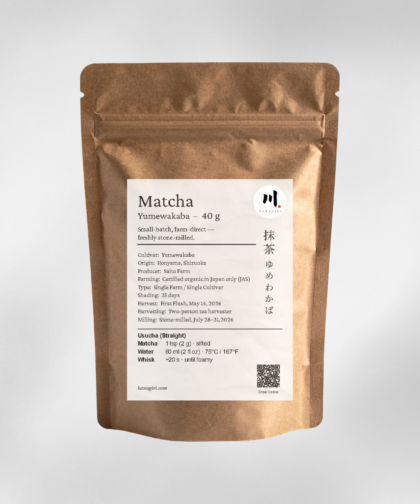
Matcha Yumewakaba | 抹茶 ゆめわかば – 40g
7 in stock
All time fave for umami lovers like myself. Very strong effect that I would describe as nootropic. Chestnut flavor is strong and the smell is divine. This tea genuinely feels like a brain function enhancing supplement. If steeped too long it can become quite bitter and astringent but I personally enjoy that.