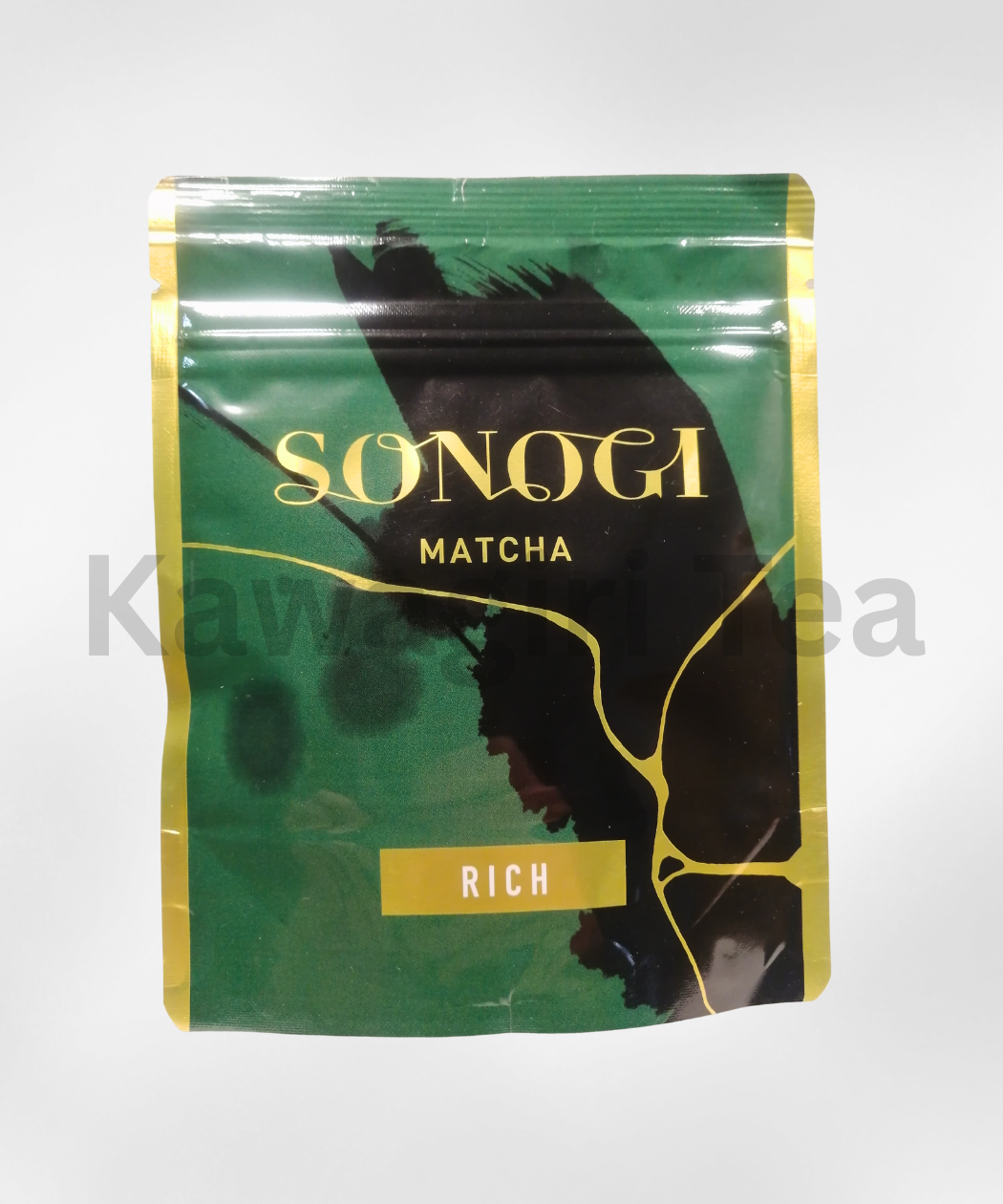
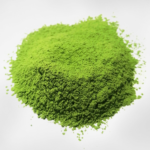
Matcha Sonogi | そのぎ抹茶 — 40g
Original price was: $38.00.$30.00Current price is: $30.00.
Taste over name value — from Japan’s oldest tea region.
Nagasaki, near the southern tip of Japan, is where Japanese tea began. In 1191, the Zen monk Eisai brought tea seeds from China and is said to have planted Japan’s first tea garden here. The prefecture later became the starting point for Japan’s earliest tea exports to the West. Higashi-Sonogi is a small town on the bay — a place where tea fields spread across the hills and plateaus, many of them overlooking the sea. It’s a landscape you don’t often find in Japanese tea country.
Sonogi is a traditional tea region, but not widely known globally — often hidden behind big names like Kyoto, Shizuoka, and Kagoshima. Production is smaller, but the quality is exceptional. This matcha comes from FORTHEES, an aspiring venture by four skilled young farmers who won first place at Japan’s National Tea Competition three years running. They built the region’s first tencha factory and set out to create matcha that stands on its own.
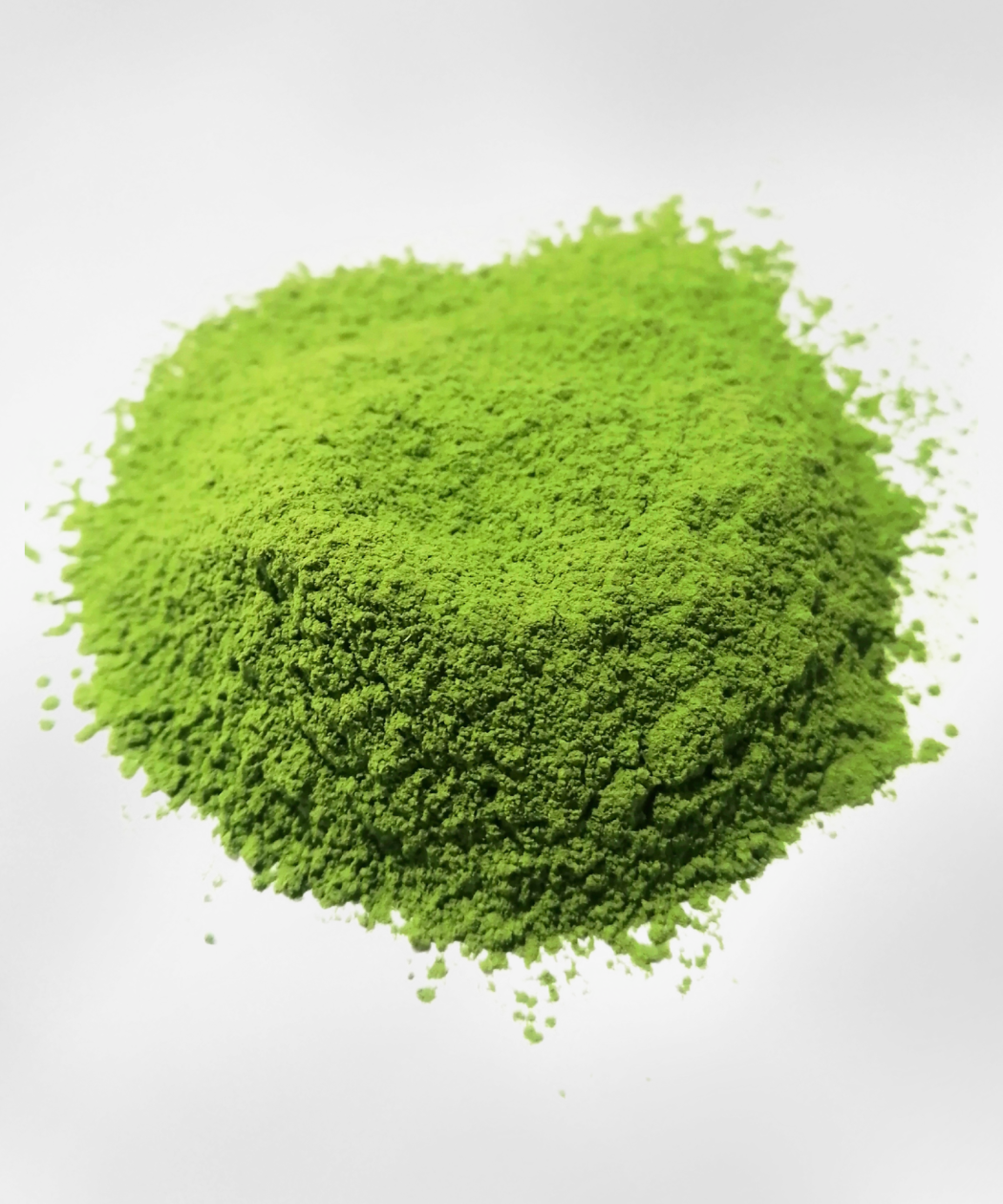
This is their top-grade matcha — a blend of Tsuyu-hikari and Saemidori. Flowery, verdant, and full of quiet complexity. The umami is there, but it doesn’t dominate — it sits gently alongside the other notes rather than overpowering them. The mouthfeel is on the lighter side, with a clean finish that makes usucha very easy to drink. As an oat milk latte, it’s genuinely impressive — the depth of flavour carries through beautifully.
Usucha: ★★★★☆ Great
Latte: ★★★★★ Excellent
Tea is grown all across Japan, and behind the big names are many smaller regions producing remarkable tea. We wanted to shine a light on one of those places — and more importantly, we wanted to choose our matcha by taste, not by reputation. We shared this one with close friends and regular customers, and the feedback was overwhelmingly positive — so we decided to make it a permanent part of our lineup.
Out of stock
Tea Profile
Flavour: Flowery, Verdant, Elegant, Clean Finish
Type: Blend
Cultivar 1: Tsuyu-hikari つゆひかり
Cultivar 2: Saemidori さえみどり
Origin: Higashi-Sonogi, Nagasaki
Harvest: First Flush 2025
Milling: Stone-milled
Producer: FORTHEES (Farmer collective)
Brewing Instructions
Usucha
Sift 2g of matcha (2 chashaku scoops) into a bowl Add 70ml of water heated to 70°C (158°F) Whisk briskly in a back-and-forth motion for about 20 seconds
Iced Matcha Latte
Sift 4g of matcha into a bowl or cup Add 40ml of hot water (70°C) and whisk until smooth Pour 180ml of oat milk into an ice-filled glass, then pour the matcha over the ice
Hot Matcha Latte
Sift 4g of matcha into a bowl or cup Add 40ml of hot water (70°C) and whisk until smooth Add 180ml of steamed milk
For a more in-depth guide on making matcha, we recommend Tezumi’s matcha brewing guide — a source we always learn from ourselves.
Learn More
What Is Sonogi Tea?
Sonogi (そのぎ) refers to tea from Higashi-Sonogi, a small town in Nagasaki Prefecture on the western coast of Japan. Nagasaki holds a special place in Japanese tea history — it is where the Zen monk Eisai is said to have planted Japan’s first tea garden in 1191, after bringing tea seeds from China. The region later became the starting point for Japan’s earliest tea exports to the West.
Despite this heritage, Sonogi remains relatively unknown outside of Japan, overshadowed by larger producing regions like Kyoto, Shizuoka, and Kagoshima. Production volumes are small, but the quality is exceptional — Sonogi teas regularly compete at the highest levels of Japan’s national tea competitions.
What Makes This Matcha Different?
This matcha is a blend of two cultivars — Tsuyu-hikari and Saemidori — both known for their sweetness and low astringency. It is stone-milled from first flush tencha, producing an exceptionally fine powder with a flowery, verdant character and a clean, elegant finish.
The mouthfeel is lighter and more refined than many Shizuoka or Kagoshima matchas. The umami is present but gentle — it sits alongside the other flavour notes rather than dominating them. This balance makes it very approachable as usucha and beautifully expressive as a latte.
Stone-Milled vs Ball-Milled Matcha
Traditional stone milling (石臼挽き) grinds tencha leaves slowly between granite wheels, producing extremely fine particles at a rate of only about 40g per hour. This slow process generates minimal heat, helping preserve the tea’s colour, aroma, and delicate flavour compounds.
Ball milling is a modern alternative that is faster and more efficient. Both methods can produce excellent matcha — what matters most is the quality of the tencha leaves and their freshness. This Sonogi matcha is stone-milled, reflecting the producers’ commitment to traditional quality.
Matcha for Lattes vs Matcha for Usucha
Not all matcha works equally well for both purposes. Matcha for usucha (thin tea) needs to be smooth, balanced, and enjoyable on its own — any harshness or bitterness becomes obvious without milk to soften it. Matcha for lattes needs enough body and depth to cut through milk without disappearing.
This Sonogi matcha does both well. As usucha, its clean finish and gentle complexity make it easy to drink bowl after bowl. As a latte — especially with oat milk — the floral depth carries through beautifully. It is one of the more versatile matchas in our lineup.
Caffeine in Matcha
Because matcha involves consuming the whole leaf rather than just steeping it, it typically contains more caffeine than other Japanese green teas. A standard serving of usucha (2g) contains roughly 50–70 mg of caffeine — similar to a small cup of coffee, but matcha’s caffeine is released more gradually due to the presence of L-theanine, which promotes calm alertness rather than jitters.
1 review for Matcha Sonogi | そのぎ抹茶 — 40g
 Matcha Sonogi | そのぎ抹茶 — 40g
Related products
-
Price range: $10.00 through $27.00
Saemidori | さえみどり
In Stock -
Price range: $10.00 through $15.00
 Sale!
Sale!
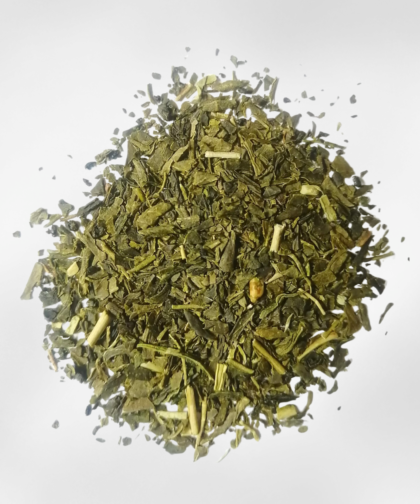
Moegi | もえぎ
In Stock -
Price range: $10.00 through $25.00
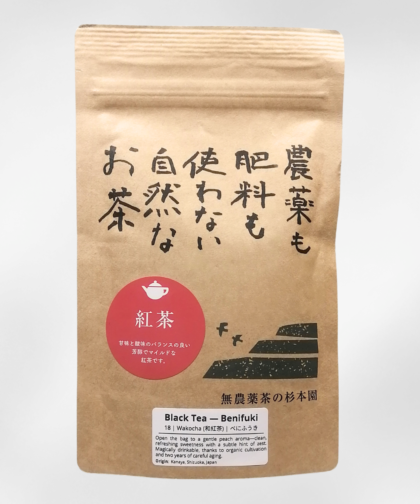
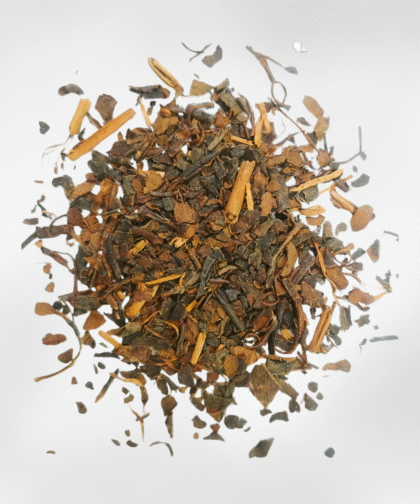
Benifuki | べにふうき
In Stock
Makes such a good iced latte