

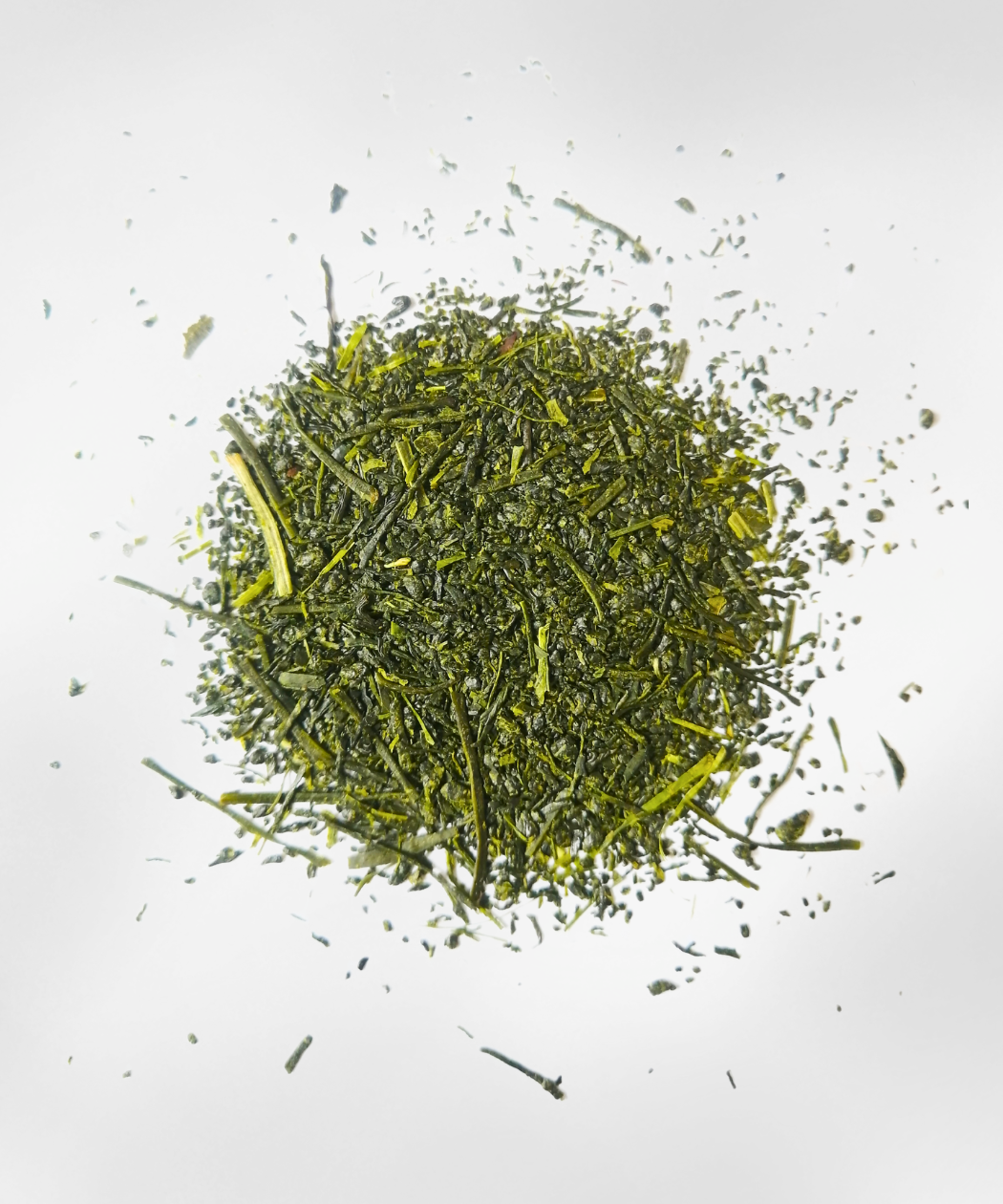
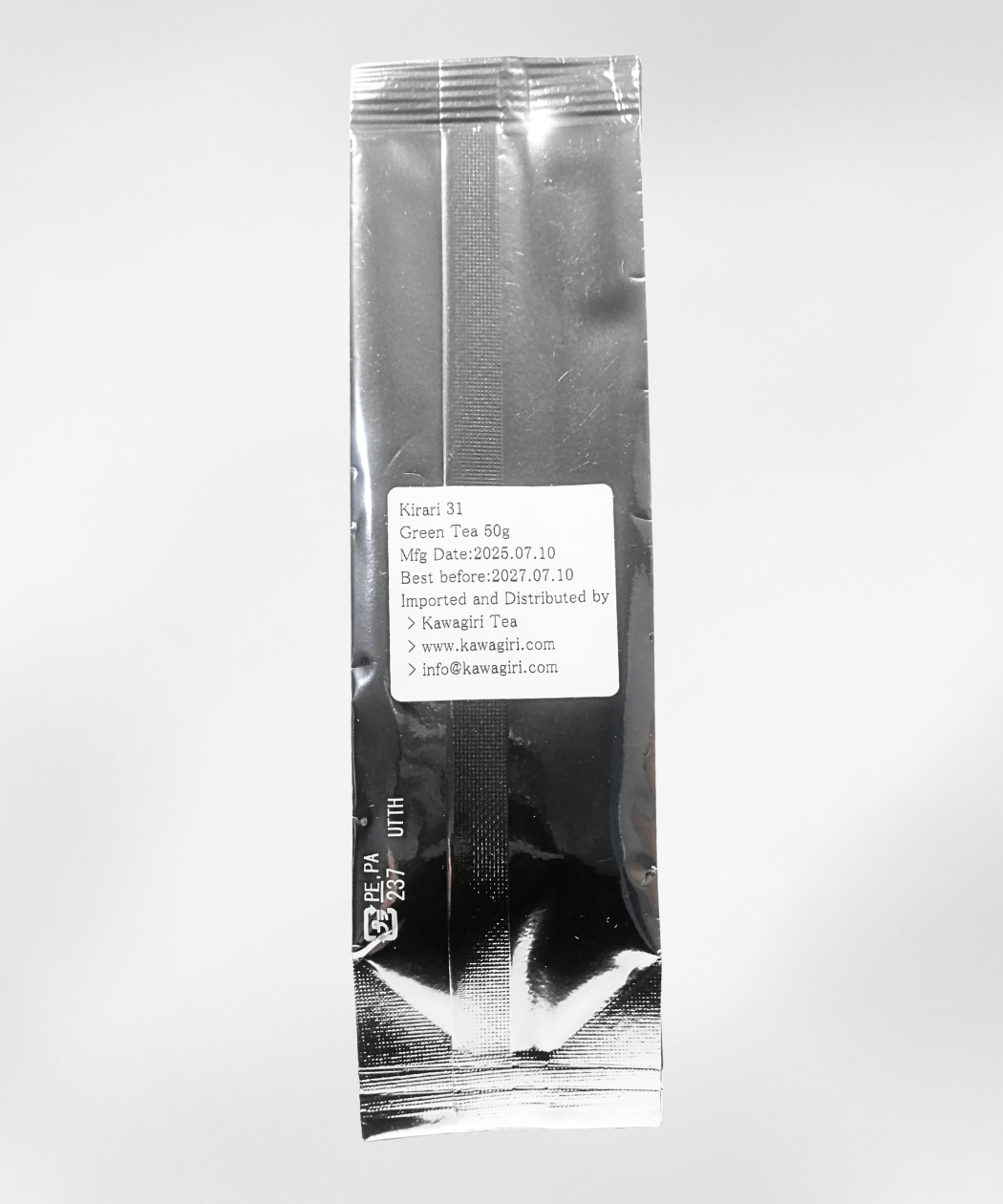
Kirari 31 | きらり31
Price range: $10.00 through $15.00
Quintessential Shizuoka Fukamushi with a rare cultivar twist.
Fukamushi (deep-steamed sencha) has become the most popular style of sencha in Japan today. Originally developed in the 1970s in the plateau regions of Shizuoka—where tea leaves are exposed to strong sunlight and tend to become thick and sharp in flavor—the method uses longer steaming times to mellow and soften the taste. In Shizuoka, the birthplace of this style, nearly 70% of tea is now produced as fukamushi. While this style produces mellow, easy-drinking teas, it also tends to round out the distinctiveness of each tea, often resulting in similar-tasting profiles.
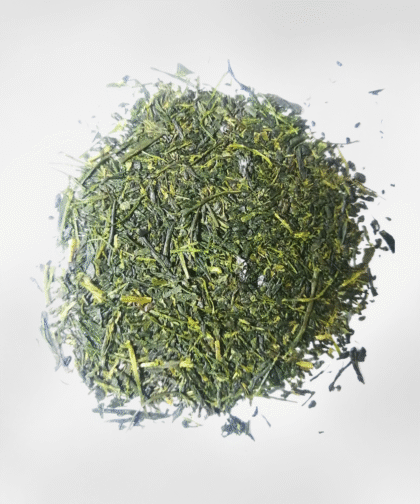
We were searching for something different—something that stands out in the world of Shizuoka fukamushi. And that’s where Kirari 31 comes in. Registered as a cultivar in 2016, Kirari 31 is still rare and prized for its rich umami and bright fruity-citrusy aroma. Though the leaf appearance is that of typical fine fukamushi, the way its flavor unfolds is notably distinct from the ubiquitous Fukamushi made with Yabukita. Its character emerges more gently—milder, with almost no astringency, lingering sweetness, and a silky, rich mouthfeel.
Tea Profile
Flavour: Silky, Edamame, Citrusy, Sweet
Type: Single Farm / Single Cultivar
Cultivar: Kirari 31 きらり31
Origin: Mori, Shizuoka
Harvest: First Flush, Late April 2025
Harvest Method: Ride-on harvester
Steaming: Deep Steamed / Fukamushi 深蒸し
Awards: Japan Tea Awards 2022 — Platinum Prize
Producer: Osada Tea
Brewing Instructions
Hot Brew
Tea / Water Ratio: 3g / 100ml
Temperature: 176°F (80°C)
Steeping Time: 1.5 minutes
Pouring 80°C water into a kyusu naturally lowers the temperature to around 70°C — ideal for bringing out sweetness and umami.
References
What Is Fukamushi Sencha? (Idle Moment)
Overview and characteristics of deep-steamed sencha.
The Charm and History of Shizuoka Tea (Yamamotoyama)
Shizuoka’s leading role in Japanese tea production and deep-steamed tea.
A Brief History of Japanese Green Tea (Shunpou)
Cultural and historical background of Japanese green tea.
How Fukamushi Tea Was Born (Note by Minoru Handa)
Personal essay on the origin and development of fukamushi tea.
Learn More
What Is Kirari 31?
Kirari 31 (きらり31) is a relatively new Japanese tea cultivar, officially registered in 2016. It was developed in Shizuoka Prefecture’s tea research centre and is still rare — most tea farms in Japan grow the dominant Yabukita cultivar, so finding single-cultivar Kirari 31 is uncommon. The name “Kirari” (きらり) suggests a sparkling, shining quality, reflecting the tea’s bright and distinctive character.
Kirari 31 is prized for its rich umami, bright fruity-citrusy aroma, and a notably low level of astringency. Even among Japanese green teas, it stands out for its mild, silky mouthfeel and lingering natural sweetness.
What Is Deep-Steamed Sencha (Fukamushi)?
Japanese green tea is steamed shortly after harvest to stop oxidation. “Deep-steamed” (fukamushi / 深蒸し) means the leaves are steamed longer than usual — typically 60–120 seconds compared to 30–40 seconds for regular steaming. This was originally developed in the 1970s on the plateaus of Shizuoka, where strong sunlight made tea leaves thick and sharp in flavour.
Deep steaming breaks down the leaf structure, producing a richer, more full-bodied cup with less bitterness. The resulting tea often has a vibrant green colour and a slightly cloudy liquor — a sign of the fine leaf particles that give fukamushi its characteristic body and depth.
Kirari 31 vs Yabukita — What’s the Difference?
Yabukita is the most widely grown cultivar in Japan, known for its balanced, classic green tea flavour. Kirari 31 has a distinctly different profile — where Yabukita tends to be structured and straightforward, Kirari 31 unfolds more gently with a fruity sweetness, richer umami, and almost no astringency. If you find standard Yabukita-based fukamushi to be too similar from brand to brand, Kirari 31 offers something genuinely different.
How to Brew Kirari 31
Use 3 g of tea per 100 ml of water at 80°C (176°F). Steep for 1.5 minutes. Pouring 80°C water into a kyusu naturally lowers the temperature to around 70°C — ideal for bringing out sweetness and umami.
Caffeine in Kirari 31
Like most Japanese green teas, Kirari 31 contains moderate caffeine — roughly 30–50 mg per cup, depending on brewing temperature and steeping time. This is less than a cup of coffee but enough for a gentle, sustained energy boost.
1 review for Kirari 31 | きらり31
 Kirari 31 | きらり31
Related products
-
Price range: $10.00 through $25.00
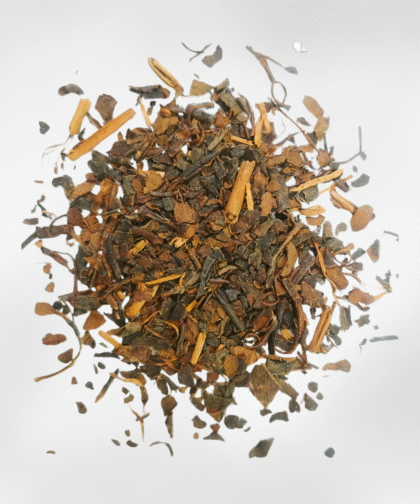
Benifuki | べにふうき
In Stock -
Price range: $10.00 through $28.00
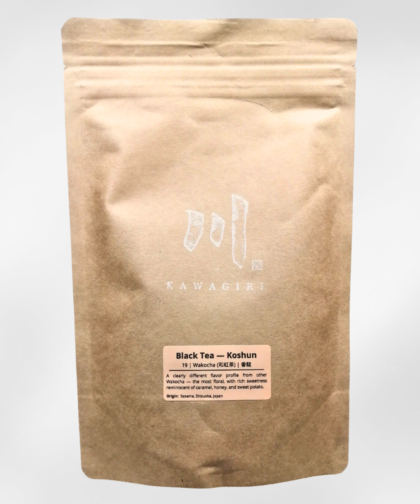
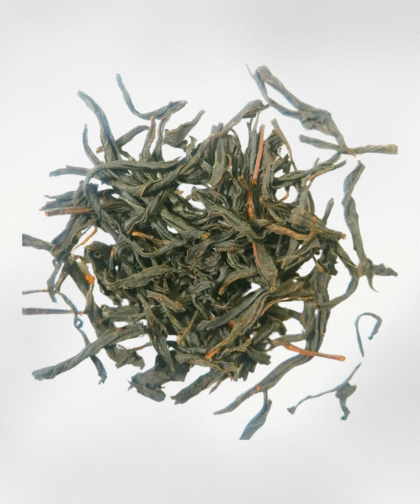
Koshun (Black Tea) | 香駿
In Stock -
Price range: $10.00 through $27.00
Saemidori | さえみどり
In Stock
Very like matcha being sweet, creamy, and cloudy. Primary flavors are peach pit, metallic mouthfeel, citrus tartness, floral. Very energizing.