Hojicha Powder: Zairai vs Shizuoka Blend
We carry two hojicha powders. They look similar. They taste completely different. Here’s an honest breakdown to help you choose.
Zairai — Single-origin, single-farm, organic, first-harvest. A dignified bitterness that cuts through milk clearly. You taste the hojicha, not just the latte. For people who want bold flavour and terroir.
Shizuoka Blend — Tea master’s blend, first-harvest mountain tea, smooth and sweet. Mild enough for cold whisking directly into milk — no hot water needed. For people who want an easy, approachable hojicha latte.
Customer preference? Genuinely 50/50. There’s no wrong choice.
Both Made from First-Harvest Leaves
Before we get into the differences, there’s one thing both powders share — and it’s the most important quality marker in Japanese tea: both are made from ichibancha (一番茶), the first harvest of the year.
In Japan, first-harvest tea — picked in spring — is considered the highest grade. The leaves have grown slowly over winter, accumulating amino acids, sweetness, and depth. By the time of the second or third harvest (later in the year), the leaves are growing faster and produce a sharper, more bitter, less nuanced tea. Most commercial hojicha powders on the market are made from later harvests — cheaper, coarser, less refined.
That both of our powders come from first-harvest leaves is not an accident. It’s why each one, despite their different character, has real depth. You can’t get that from a second-harvest blend.
Meet the Two
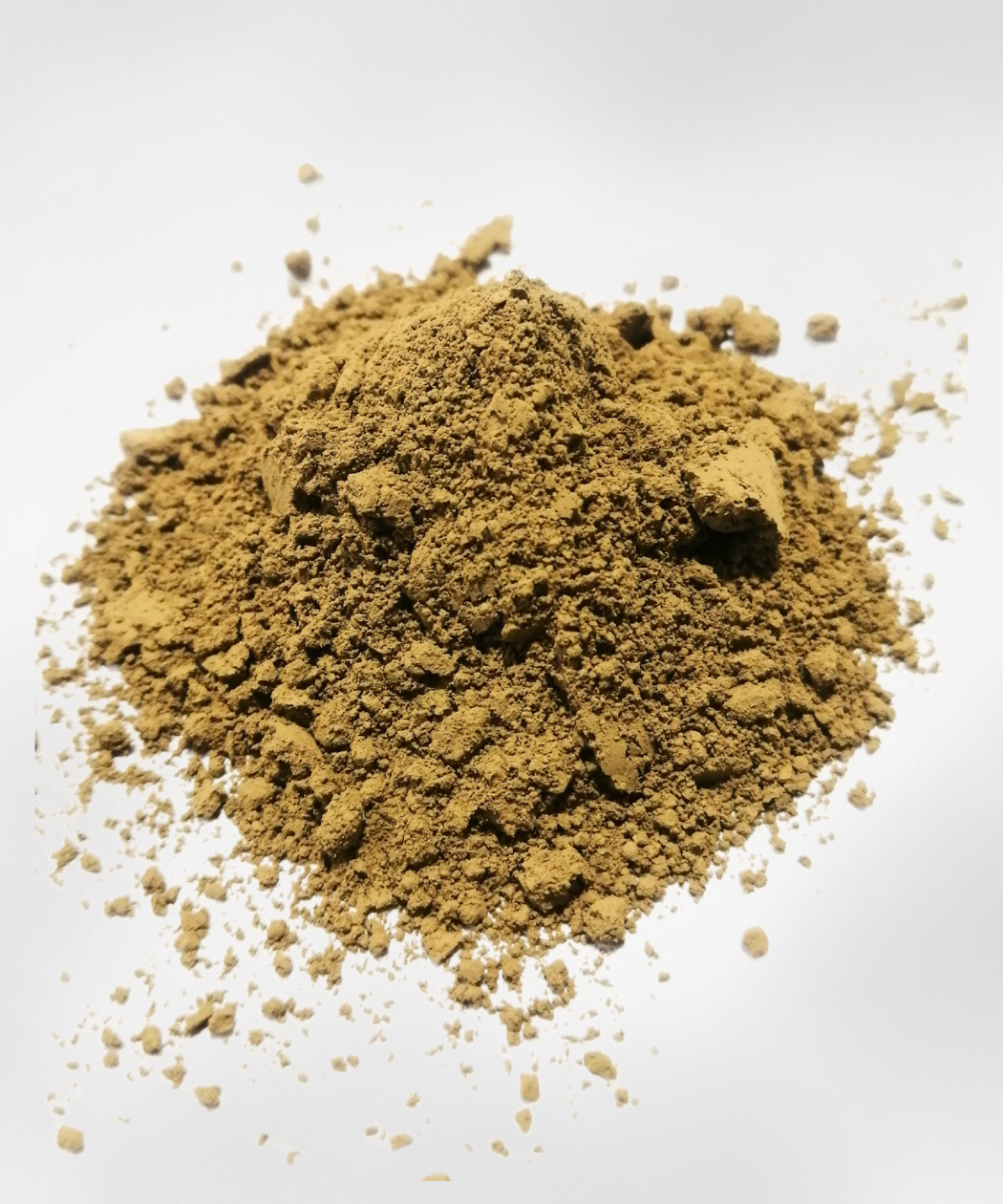
Hojicha Powder — Zairai
Ground from the exact same loose-leaf hojicha we sell as Hojicha Zairai — our signature, sand-roasted, native-cultivar hojicha. The loose leaf is our most popular tea at tasting events. This is that tea, in powder form.
View Tea →
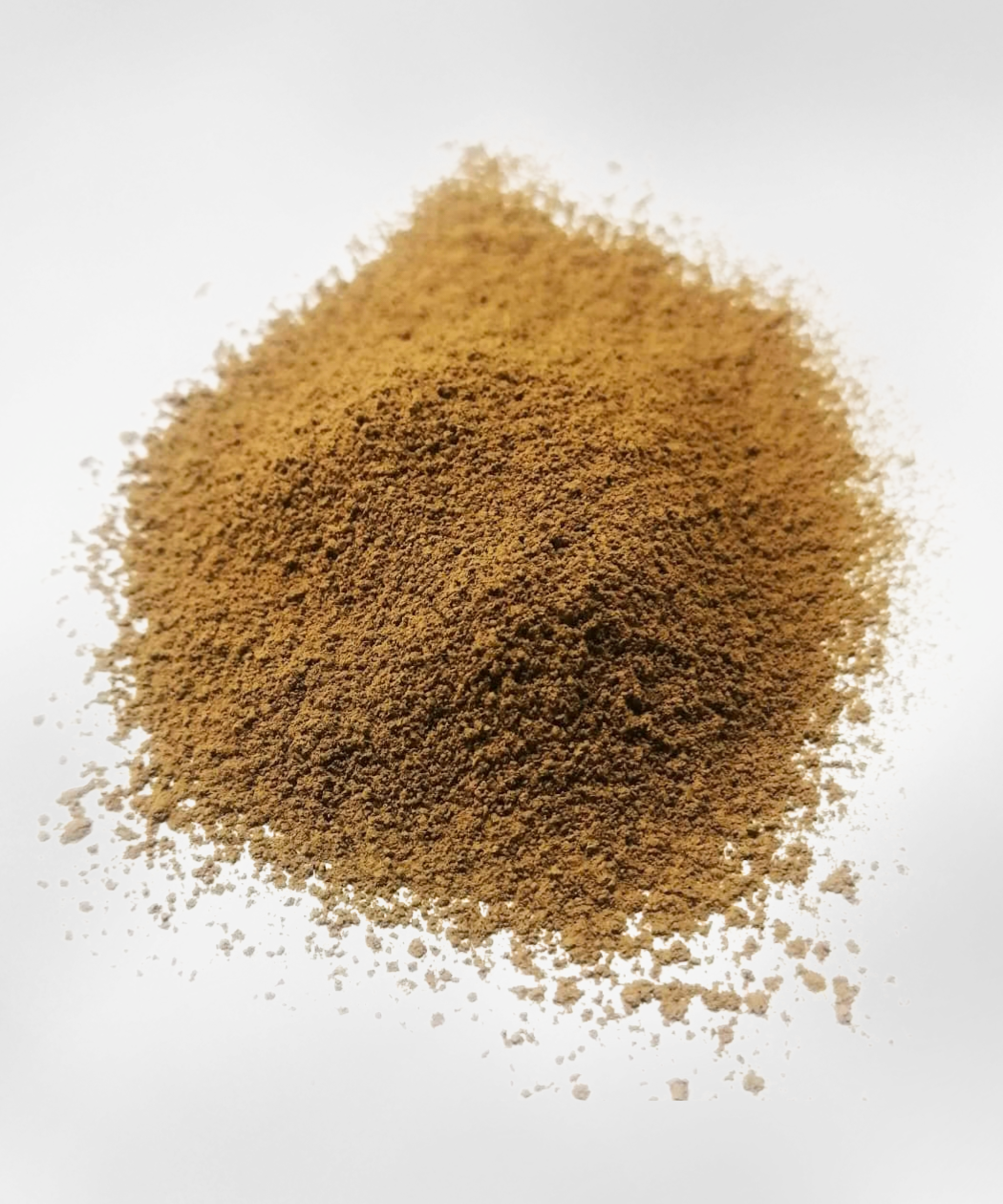
Hojicha Powder — Shizuoka Blend
A blend crafted by tea masters at Hagiri, using mountain-grown tea from Shizuoka. Carefully formulated — the tea master selects, blends, and fires the leaves to achieve an optimal, balanced flavour profile.
View Tea →
The Taste Difference
Zairai — Honest, Bold, Organic
The Zairai is a single-origin tea from a single farm. It’s made from Zairai (在来) — native tea bushes that have grown in the same soil for decades, naturally adapting to the local terroir. Unlike modern cultivated varieties bred for uniformity, Zairai bushes have deep roots that draw minerals directly from the earth. The result is a tea with genuine character.
The loose-leaf version of this tea is sand-roasted, smooth, and beautifully sweet. But when ground into powder, the character shifts. Powder exposes the full surface area of the leaf, so everything extracts at once — including compounds that controlled brewing would normally leave behind. The result is a more assertive flavour with a dignified, clean bitterness.
This bitterness is actually a strength. When you combine it with milk, the hojicha flavour doesn’t fade into the background — it cuts through. You get a latte where you genuinely taste the tea. The roasted depth, the earthiness of the native cultivar, the honest organic quality — it’s all there in the cup.
Because it’s organic — grown without pesticides or synthetic fertilizers — and because you’re consuming the entire powdered leaf (not just an infusion), the Zairai is a good choice for anyone who’s conscious about what goes into their body. Everything in the leaf ends up in your cup.
Shizuoka Blend — Smooth, Sweet, Effortless
The Shizuoka Blend takes a different approach. Instead of showcasing a single terroir, it’s a tea master’s composition — multiple Shizuoka mountain teas carefully selected, blended, and fired to achieve a specific result: balance, smoothness, and a natural sweetness.
Where the Zairai has edges — intentional, beautiful edges — the Shizuoka Blend has none. It’s rounder, softer, and more forgiving. The bitterness is minimal. The sweetness is more upfront. It blends into milk seamlessly, making it ideal for anyone new to hojicha lattes or anyone who simply prefers a milder, sweeter cup.
But the most remarkable thing about this powder is what we call cold whisking. Most hojicha powders (and matcha powders) need hot water first — you whisk the powder into a small amount of hot water to dissolve it, then add milk. The Shizuoka Blend is smooth enough to skip that step entirely. You can add the powder directly to cold milk — oat milk works especially well — and whisk it in. No hot water, no heating, no extra steps.
It’s like making chocolate milk. Scoop the powder into your favourite milk, whisk or shake, and drink. The hojicha dissolves smoothly and the flavour comes through — warm, toasty, gently sweet. On a hot summer day or when you just want something easy, this is a revelation.
Side-by-Side Comparison
| Zairai | Shizuoka Blend | |
|---|---|---|
| Type | Single origin, single farm | Tea master’s blend |
| Origin | One farm in Shizuoka | Multiple Shizuoka mountain farms |
| Harvest | Ichibancha (first harvest) | Ichibancha (first harvest) |
| Cultivar | Zairai (native, decades-old bushes) | Blend (tea master’s selection) |
| Roasting | Sand-roasted | Tea master’s firing |
| Organic | Yes — no pesticides, no synthetic fertilizers | Conventional |
| Bitterness | Present — clean, dignified, cuts through milk | Minimal — smooth and mild |
| Sweetness | Subtle, natural | More upfront, rounded |
| In a latte | Hojicha stands out clearly | Blends seamlessly with milk |
| Cold whisking | Needs hot water first | Works directly in cold milk |
| Best for | Bold hojicha flavour, organic preference, terroir lovers | Mild lattes, beginners, iced/cold drinks, baking |
| Customer preference | 50/50 — genuinely split | |
How to Use Each One
Hot Hojicha Latte (Both)
Whisk 1–1.5 teaspoons of powder with about 60ml of hot water (80°C / 175°F) until smooth. Pour into a cup, add 180ml of steamed milk. Sweeten if you like, though both have enough natural character to stand on their own. For the Zairai, the bitterness will come through the milk beautifully. For the Shizuoka Blend, expect a gentler, sweeter cup.
Cold Whisking (Shizuoka Blend)
Add 1–1.5 teaspoons of Shizuoka Blend directly to a glass of cold oat milk (or any milk you prefer). Whisk, stir, or shake until dissolved. Add ice if you want. That’s it. The mildness and sweetness of this blend make it work without any hot water step. Think of it like making chocolate milk, but with hojicha.
Iced Hojicha Latte (Both)
For the Zairai, dissolve in a small amount of hot water first, then pour over ice and cold milk. For the Shizuoka Blend, you can go either way — hot water method for a stronger flavour, or cold whisk method for maximum convenience.
Baking
Both work in baking. The Shizuoka Blend is slightly easier to work with due to its milder flavour — it won’t overpower delicate recipes. The Zairai adds more character, which pairs well with richer bases like brownies, cheesecake, or butter-heavy cookies. Replace 1–2 tablespoons of flour with hojicha powder.
A Note on Dosage
The Shizuoka Blend is sweeter and milder, which means its flavour can be subtle in a large volume of milk. If your latte tastes “mostly like milk,” add a bit more powder. The Zairai is more assertive — start with less and adjust. Neither has a “wrong” amount; it’s entirely about your personal preference.
How to Choose
Choose Zairai if: You want to taste the hojicha clearly in your latte. You appreciate single-origin, terroir-driven flavour. You prefer organic. You like a bit of bitterness — the way you might appreciate dark chocolate over milk chocolate.
Choose Shizuoka Blend if: You want a smooth, easy, sweet hojicha latte. You’re new to hojicha and want something approachable. You love cold drinks and want to skip the hot water step. You bake with hojicha powder and want versatility.
Still can’t decide? You’re in good company. We’ve asked dozens of customers at our tasting events and the result is always the same — roughly half prefer the Zairai, half prefer the Shizuoka Blend. The split is remarkably consistent. Some people love the boldness; others love the smoothness. Both are right.
Where They Fit in Our Hojicha Lineup
These two powders are part of a larger hojicha collection — the most diverse in Canada. Understanding where they sit helps you see the full picture.
Loose-leaf hojichas (5 types) — for brewing in a teapot and drinking straight. The full hojicha experience. The Zairai powder comes from the same tea as our Hojicha Zairai loose leaf.
Hojicha powders (2 types) — for lattes, baking, and blending. Not for drinking straight. Read our full guide: Hojicha — Powder or Loose Leaf? →
Hojicha Chai — a separate product entirely. Hojicha blended with spices, in tea bag form. View Hojicha Chai →
For the complete overview of our hojicha collection, see the Hojicha Guide.
Frequently Asked Questions
Can I drink either powder whisked with water alone?
We don’t recommend it. Both powders are designed for lattes and recipes — they need milk (or another ingredient) to taste their best. Whisked with water alone, you’ll get a bitter, astringent cup. If you want to drink hojicha straight, use our loose-leaf hojicha in a teapot.
What is ichibancha and why does it matter?
Ichibancha (一番茶) means “first tea” — the first harvest of the year, picked in spring. In Japanese tea, it’s considered the highest grade. The leaves have grown slowly through winter, developing more amino acids, more depth, and more sweetness than later harvests. Both of our hojicha powders are made from ichibancha, which is why they have real character even in powder form. Most commercial hojicha powders use later harvests because they’re cheaper.
What milk works best?
Oat milk is our top recommendation for both — its natural sweetness and creamy texture complement hojicha beautifully. Whole dairy milk also works well. For the Shizuoka Blend’s cold whisking method, oat milk is especially good because it froths slightly when shaken. Almond milk and soy milk work but are thinner; you may want to add a touch of sweetener.
Is the Zairai really the same tea as the loose-leaf Hojicha Zairai?
Yes — same farm, same cultivar, same sand-roasting method. The only difference is that the loose leaf is brewed in a teapot (and tastes smooth and sweet on its own), while the powder is ground from those same leaves for use in lattes and recipes. Same origin, completely different experience.
Which one is better for baking?
The Shizuoka Blend is easier to work with in most recipes because it’s milder and sweeter — it won’t overpower delicate flavours. The Zairai works better in richer, denser recipes (brownies, cheesecake, butter cookies) where you want the hojicha to really come through. For general-purpose baking, the Shizuoka Blend is the safer bet.
Try Both
The taste difference is a conversation. Try one now, the other next time — or get both and decide for yourself.
Both hojicha powders are sourced from Shizuoka, Japan. Curated by a certified Japanese Green Tea Instructor. Read our Hojicha Guide → · Hojicha: Powder or Loose Leaf? → · Hojicha vs Matcha →